Why a Chronograph?
A chronograph is a watch with a built-in stopwatch function — the pusher at 2 o'clock starts and stops the timer, the one at 4 o'clock resets it. It's one of the most practical and storied complications in watchmaking, with roots in horse racing, aviation, and space exploration.
The watches below cover every tier from approachable entry-level picks to grail-worthy collector pieces. Whether you want a capable daily wearer under $200 or the watch that went to the moon, there's a chronograph here for you.
12 Chronographs Worth Owning

A no-nonsense everyday chronograph from America's most trusted watchmaker. Clean dial layout, reliable quartz movement, and a price that won't cause regret if it takes a knock.

Seiko's entry-level chronograph punches well above its price. Tachymeter bezel, solid lug construction, and that unmistakable Seiko dial legibility make this an easy daily recommendation.

Solar-powered, never needs a battery, and runs to ±15 seconds per year. A practical buy for someone who wants a clean sport-chrono they can forget about — in a good way.

The watch Edgar Mitchell wore on Apollo 14. Bulova's high-frequency tuning fork movement runs at 262kHz — more accurate than most mechanicals. A genuinely historic piece at an approachable price.

MotoGP's official timekeeper and the first Swiss chronograph under $500 most collectors recommend without hesitation. Bold motorsport aesthetic, Swiss ETA movement, sapphire crystal.

A vintage-inspired automatic chrono running the Valjoux 7753 — a column-wheel movement at a price that makes Swiss mechanical watchmaking genuinely accessible. Clean, dressy, no gimmicks.

COSC-certified automatic movement, moon phase display on select variants, and an elegance that competes with watches twice the price. The chronograph for someone who wants dress credentials and precision.

Named after the legendary Carrera Panamericana road race, the Carrera is arguably the most iconic sports chronograph of the 20th century. Racing-pedigree design, automatic movement, timeless proportions.
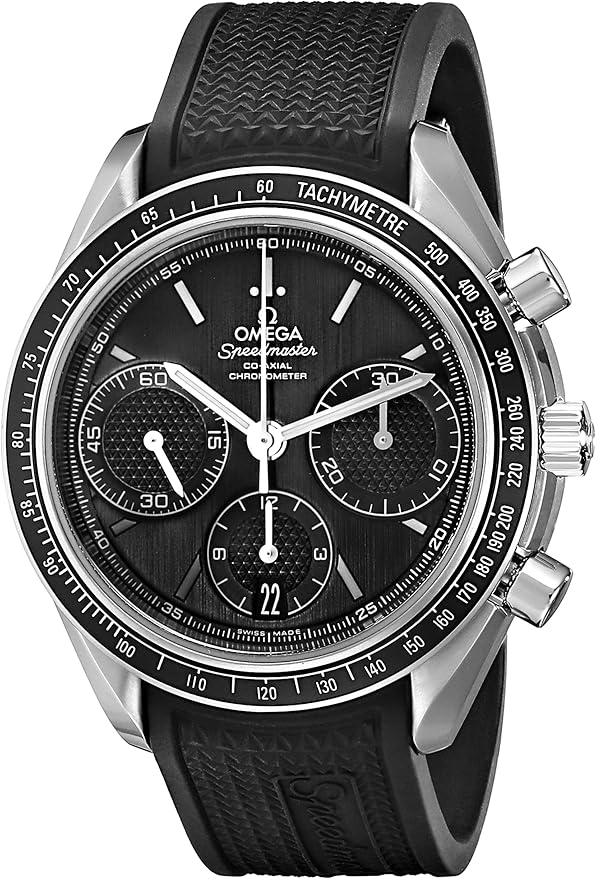
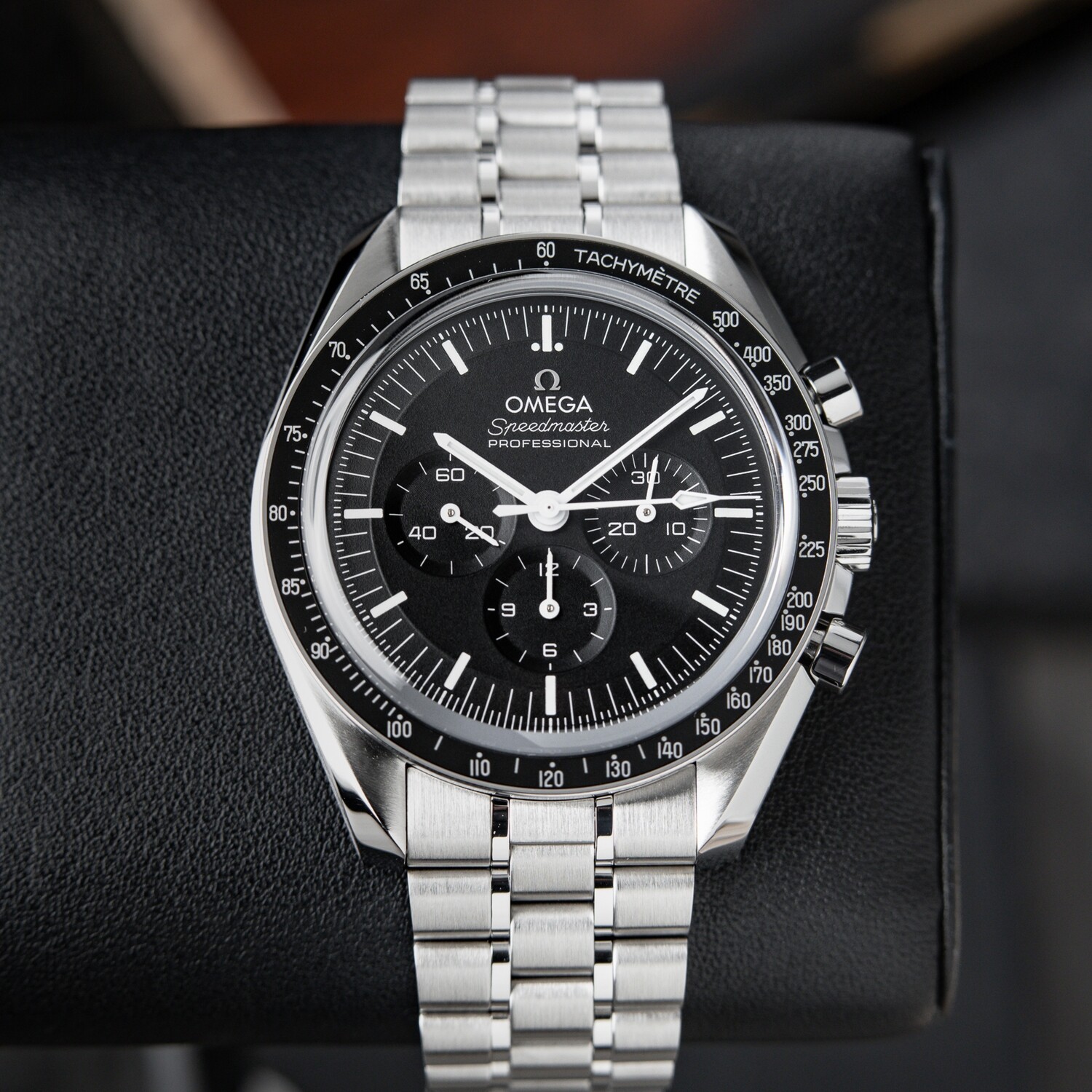
NASA-qualified for all crewed space missions. First worn on the Moon in 1969. Still powered by the legendary hand-wound Calibre 3861. No chronograph list is complete without it — and no watch has a better story.

The pilot's chronograph since 1952. The slide-rule bezel was designed to let aviators calculate fuel consumption, speed, and distance in flight. Breitling's in-house B01 movement is among the finest chronograph calibres made today.
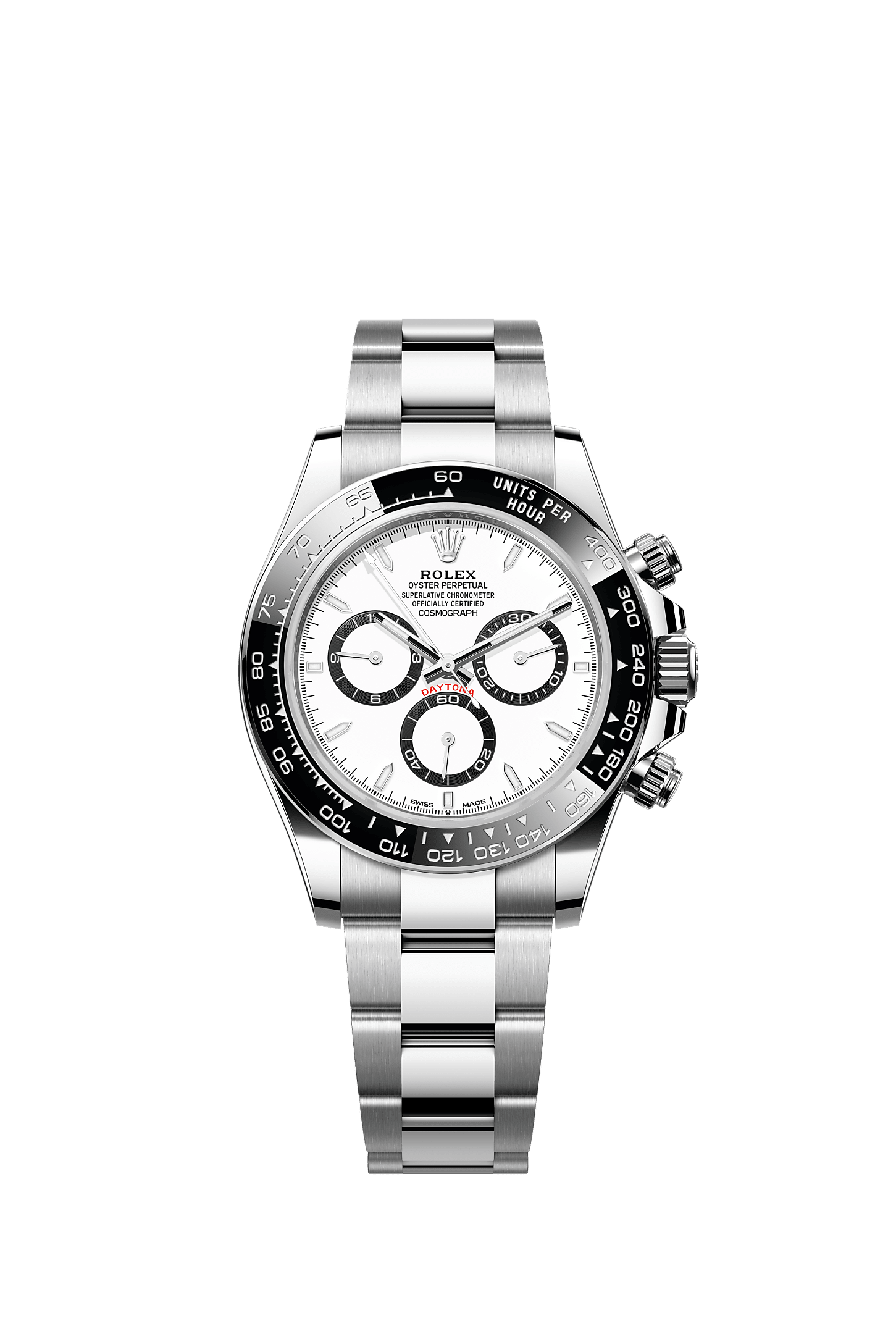
The most coveted sports watch in the world. Built for Le Mans endurance racers, the Daytona's perpetual waiting list and secondary market premium speak for themselves. In-house Cal. 4130 with column-wheel chronograph.

A manually-wound column-wheel chronograph in 18k white gold — the pinnacle of classical watchmaking. The 5172G's horizontally clutch movement is hand-finished to a standard that defies the price. The grail.
What Is a Chronograph?
A chronograph (from the Greek chronos = time, graphos = writing) is a watch with an independent seconds-measuring mechanism layered on top of the regular timekeeping function. The two pushers — typically at 2 o'clock and 4 o'clock — start/stop and reset the elapsed time display.
A flyback chronograph resets and restarts in a single pusher press — essential for pilots timing legs of a flight. A rattrapante (split-seconds) chronograph has two overlapping hands that can be split mid-timing to record lap times. Both are significantly more complex and expensive than a standard chrono.
The movement inside matters: column-wheel chronographs use a rotating column to sequence the start/stop/reset — a more precise and tactile mechanism than the cheaper cam-lever design. When buying in the $800+ range, look for column-wheel construction.
Chronograph Buying Guide
Under $300: Quartz is Fine
A quartz chronograph is more accurate than any mechanical at this tier. The Seiko SSB413 and Citizen Eco-Drive are better buys than a cheap automatic chrono with a questionable movement.
$500–$1,500: Go Automatic
This is where Swiss automatic chronographs start to make sense. Tissot, Hamilton, and Frederique Constant offer column-wheel movements with real finishing at accessible prices.
Case Size & Pusher Feel
Most chronographs run 40–44mm due to the extra dial real estate required. Test the pusher action in person if you can — a satisfying click is a sign of quality column-wheel mechanics.
Dial Legibility Matters
A chronograph has three sub-dials plus running seconds. Avoid busy executions that sacrifice legibility for style. The Speedmaster's black-on-black sub-dials are an acquired taste for exactly this reason.