Why a Dive Watch?
A dive watch was built for one specific purpose: surviving underwater. But somewhere along the way it became the most universally wearable watch category in existence — robust enough for outdoor work, handsome enough for a dinner jacket, and legible enough to read in any conditions.
ISO 6425 certification requires 100m minimum depth rating, a locking unidirectional bezel, luminescent markers readable in darkness, and anti-magnetic protection. The watches below meet or exceed that spec — and several go far beyond it.
12 Dive Watches Worth Owning
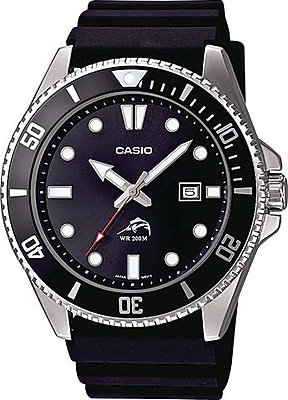
The Casio Duro has been selling for decades because it doesn't need to improve. 200m depth rating, screw-down crown and caseback, unidirectional bezel, and a proven quartz movement. More dive watch per dollar than anything else on this list.

The most influential affordable dive watch ever made. Discontinued but widely available used and new-old-stock. 200m, unidirectional bezel, in-house NH36. The foundation of a thousand modded watches.

Orient's in-house automatic at sub-$200 is a genuine achievement. 200m depth, unidirectional 120-click bezel, screw-down crown, and a handsome sunburst dial. The best value automatic dive watch available today.

A legitimate 500m-rated automatic for under $150 — from a microbrand that actually delivers. Sapphire crystal, solid end links, NH35 movement, and build quality that embarrasses watches costing four times as much.
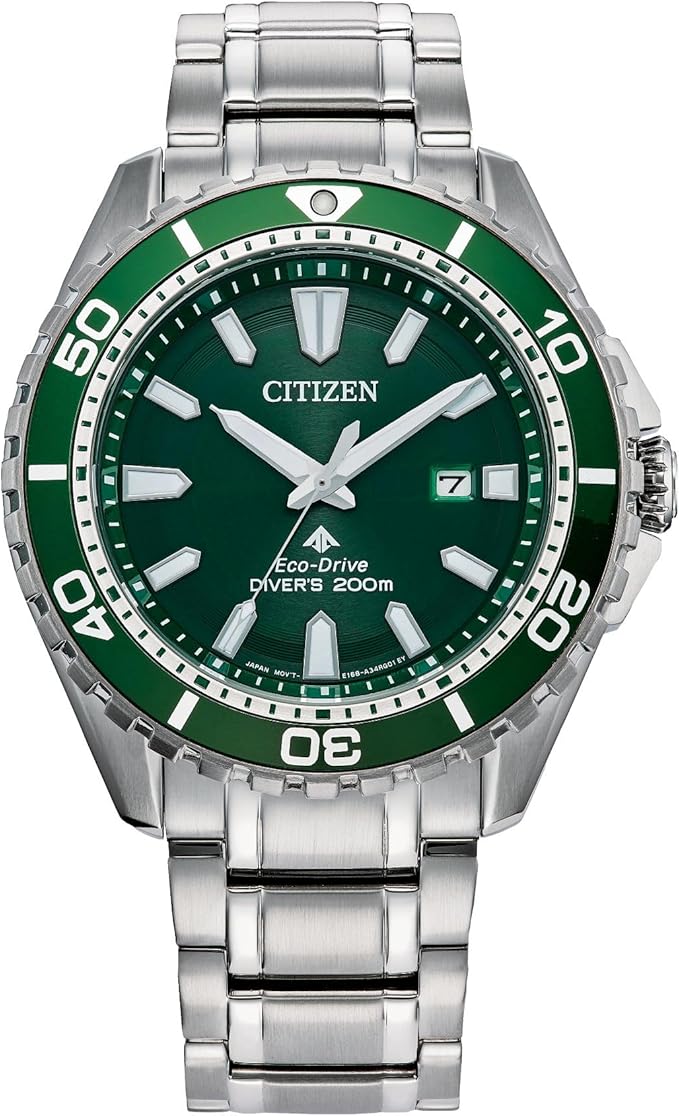
ISO 6425 certified and solar powered — charge it once, wear it indefinitely. Citizen's Promaster Diver is a workhorse used by dive instructors who need reliable, low-maintenance timekeeping.

Swiss Made automatic with 300m water resistance, sapphire crystal, and a clean legible dial — at a price that beats most Swiss competitors at this tier. Alpina's Seastrong is a genuine tool watch from a brand with serious watchmaking credentials.

Tudor's most wearable dive watch. At 39mm it fits a wider range of wrists than the full Black Bay, powered by an in-house COSC-certified movement. The gilt-and-black colorway is one of the best-looking dials in this price bracket.

The original dive watch — the Fifty Fathoms pre-dates the Submariner and set the template every dive watch followed. The modern Bathyscaphe is thinner, with a ceramic bezel and Blancpain's in-house silicon hairspring movement. A serious tool watch at a serious price.

The defining dive watch. 60 years on the market, a ceramic black bezel, Cal. 3235 with 70-hour power reserve, and a Glidelock bracelet that adjusts over a wetsuit. The Submariner is the reason every other dive watch exists.

The professional diver's Rolex — 1220m depth rating, helium escape valve, and the Cyclops lens on a dive watch for the first time. Larger than the Sub at 43mm, thicker too, but the lume plot and dial presence are unmatched.

James Bond's watch since 1995 and genuinely one of the best dive watches made. The Master Chronometer-certified Co-Axial movement is anti-magnetic to 15,000 gauss, and the wave-pattern dial is beautiful. Competes with the Submariner on every metric.

Italian naval heritage distilled into a 44mm cushion case. The crown-protecting bridge is the most recognizable detail in dive watches after the Submariner bezel. Panerai's in-house P.9010 offers 72 hours of power reserve.
What Makes a True Dive Watch?
The unidirectional rotating bezel is the defining feature — it can only rotate counterclockwise, so if it gets knocked mid-dive it moves the elapsed time marker toward zero, never away. A safety feature that became an icon.
A screw-down crown creates a sealed, threaded lock between the crown and case — essential for depth resistance. Push-in crowns should not be used below 30m. Helium escape valves appear on saturation dive watches (200m+) for decompression during mixed-gas diving.
The depth rating hierarchy in rough terms: 30–50m = splash resistant; 100m = snorkeling; 200m = recreational diving; 300m+ = professional diving; 600m+ = saturation diving. Most people never need more than 200m, but 300m is the collector's sweet spot.
Buying Guide
The Bezel Test
Push on the bezel at 12 o'clock. On a quality dive watch it should only rotate counterclockwise, with crisp detents — typically 60 or 120 clicks per revolution. Loose or bidirectional bezels are a red flag.
Lug Width & Strap Options
Most dive watches run 20–22mm lug width. Confirm before buying — rubber, nylon, and aftermarket steel bracelets are all available, but only if the sizing matches. NATO straps at 20mm are the most versatile secondary option.
Bracelet vs. Rubber
Bracelets look dressier but can cause galvanic corrosion if worn in salt water without rinsing. Rubber or silicone straps are more practical for actual diving. The best dive watches come with both.
Helium Valve — Do You Need It?
Only relevant for saturation divers spending days in pressurized chambers. For recreational use it's a marketing feature. Skip it if you're paying a premium for it — spend that money on movement quality instead.