
Amazon Prime Big Deal Days 2026: Best Watch Deals
The watch deals worth watching during Amazon's October 2026 Prime Big Deal Days sale, updated as deals go live.
Read The Guide →
The best watches for spooky season — blood-moon moonphase dials, pumpkin-orange faces, and shadow-dark stealth pieces.

Swiss automatic Hamilton and Tissot, Movado Museum design, Victorinox built for a lifetime.

Swiss-made Tissot and Hamilton, Japanese Seiko Presage finishing, and tool watches built to last a lifetime.

Automatic movements, solar power, and names serious watch people recognize. Orient, Seiko, Citizen, Timex.
The best watch gifts for dad under $100 — real picks that look good and last. Casio, G-Shock, Timex and more.

Microbrands are producing remarkable watches at a fraction of what the major brands charge. JW makes the case for the independents.

Glashütte. Nomos. Sinn. A. Lange & Söhne. Germany produces some of the finest watches in the world and most people have no idea.

Two watchmaking traditions. Completely different philosophies. JW examines where Japan beats Switzerland and where it doesn't.

Swiss Made is stamped on watches from $200 to $200,000. JW investigates what the label actually guarantees — and what it doesn't.

Pilot watches left the cockpit decades ago and never looked back. Here's why they work so well everywhere else.

Why dive watches are the most versatile, most wearable, most practical category in watchmaking — and you don't need to go near water to justify one.

The best sport watches across every budget, and how to choose the right one for what you actually do.

Dress watches explained — what makes a great one, why a clean dial beats complications every time, and the five worth buying.

The Spring Drive is neither quartz nor mechanical. It's something else entirely — and understanding it changes how you think about watchmaking.
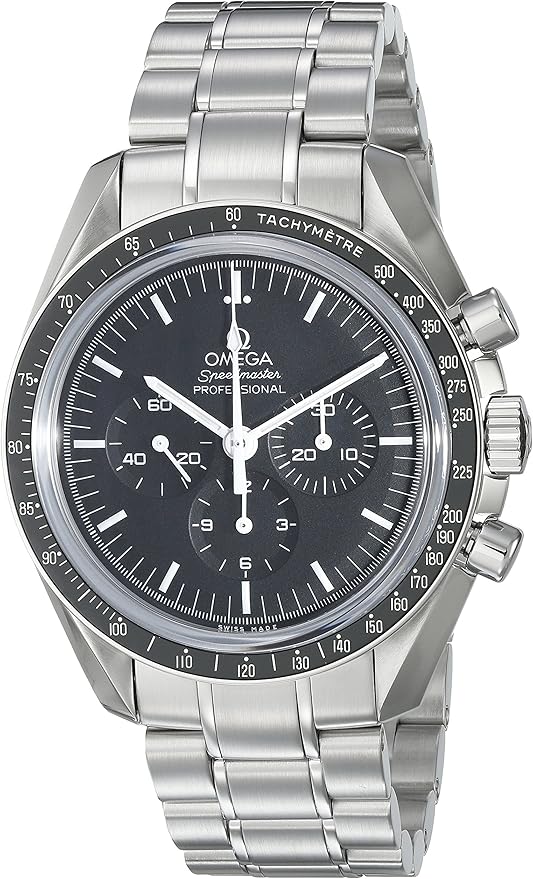
Manual wind watches are the purest expression of mechanical watchmaking — why hand-winding every morning is one of the great small pleasures in life.

The watch community has a complicated relationship with quartz. JW makes the case for why quartz deserves far more respect than it gets.

Everything you need to know about automatic watches — how they work, why they're worth it, and the inconvenient truths the watch industry glosses over.
No guides match your search — try a different keyword or category.