Ask most watch buyers to name the world's great watchmaking nations and they'll say Switzerland. Ask the well-informed ones and they'll add Japan. Very few will say Germany — which is remarkable, because Germany produces some of the most technically accomplished and aesthetically distinctive watches in the world, from one of the most concentrated watchmaking regions anywhere. The town of Glashütte in Saxony, population approximately 7,000, is home to more serious watch manufacturers per capita than anywhere outside the Vallée de Joux. It is the best kept secret in horology, and the buyers who've found it tend to stay found.
This guide is an honest introduction to German watchmaking — what makes it different, which makers are worth knowing, and why anyone who cares about watches and doesn't know Nomos or A. Lange & Söhne is missing something genuinely worthwhile.
Glashütte: The Town That Builds Watches
The story of German watchmaking is largely the story of Glashütte. In the mid-19th century, a Dresden entrepreneur named Adolf Lange established a watchmaking school in this small Saxon town, training local craftsmen in precision watchmaking to provide an alternative to the poverty that had followed the collapse of the silver mining industry. The school became an industry. The industry became a tradition. By the early 20th century, Glashütte was producing pocket watches that competed with the finest Switzerland could offer.
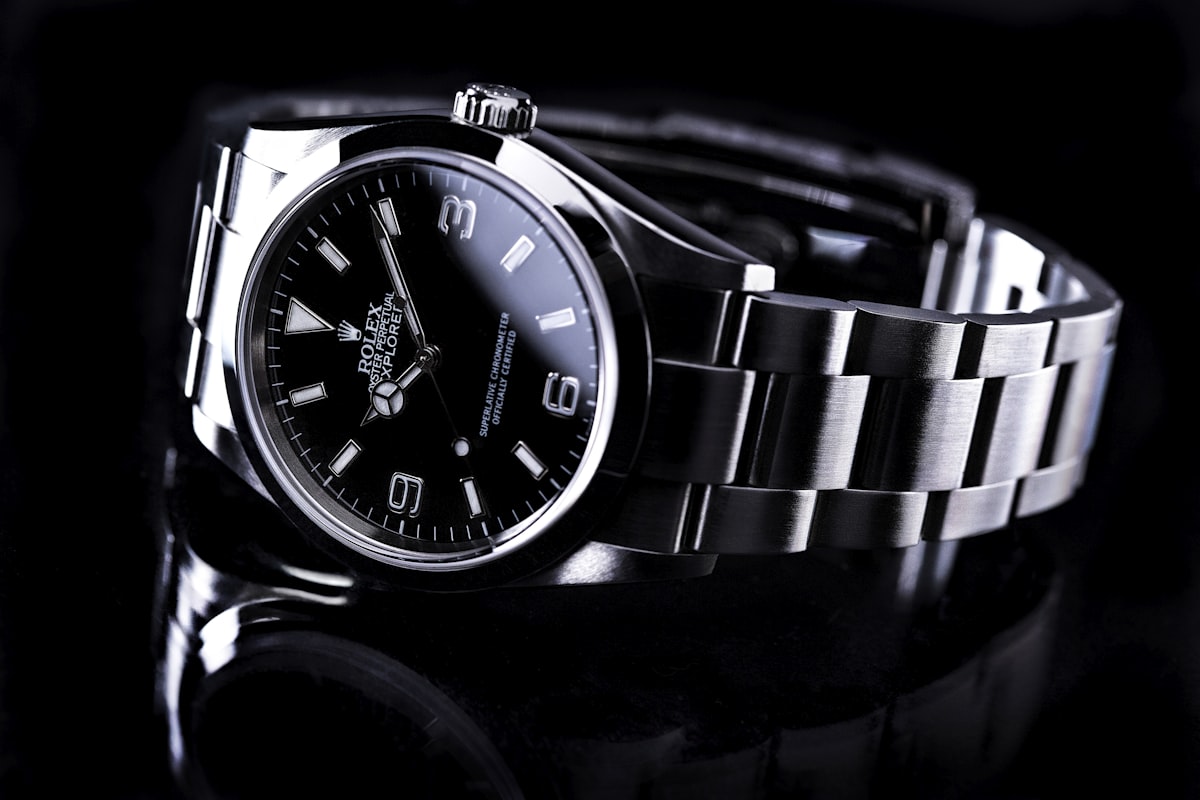
Glashütte's three-quarter plate — a movement architecture unique to the region, immediately recognisable to anyone who knows German watches
The industry was devastated by the Second World War and then nationalised under East German communism — all the Glashütte manufacturers merged into a single state enterprise called GUB. After reunification in 1990, the town's watchmaking heritage was revived with remarkable speed. A. Lange & Söhne relaunched in 1994 with movements that immediately challenged the finest Swiss makers. Nomos Glashütte started producing distinctive modernist watches the same year. Glashütte Original, Union Glashütte, and others followed.
Thirty years later, Glashütte is a genuine watchmaking centre — small, concentrated, and producing watches of exceptional quality that remain significantly less famous than their Swiss equivalents. For buyers who care about what's in the watch more than what's on the dial, this represents a remarkable opportunity.
"A. Lange and Söhne relaunched in 1994 with movements that immediately challenged the finest Swiss makers. Thirty years later, they remain significantly less famous — and that is your opportunity."
The German Watchmaking Philosophy
German watches have a consistent aesthetic character that distinguishes them from Swiss and Japanese equivalents. Where Swiss haute horology tends toward elaborate ornamentation — Geneva stripes, bevelled edges, decorative bridges — German watchmaking, particularly from Glashütte, favours a more architectural approach. The three-quarter plate — a large movement plate that covers most of the movement's back — is a Glashütte signature, giving movements a distinctive structural appearance. Movement finishing is meticulous but purposeful rather than decorative.
Nomos takes this further into explicitly Bauhaus territory — clean lines, restrained colour, typography-led dials that look more like design objects than traditional watches. This is deliberate. Nomos was founded with a design manifesto as much as a watchmaking one, and the results are some of the most visually distinctive watches being made anywhere in the world at any price.
Sinn, based in Frankfurt rather than Glashütte, takes a different approach entirely — pure tool watch engineering, with proprietary technologies like Tegiment hardening (which increases case surface hardness to near-diamond levels) and dehumidifying capsules that protect movements in extreme conditions. Sinn watches are not beautiful objects. They are engineered objects that happen to be watches, and they command a devoted following for exactly that reason.
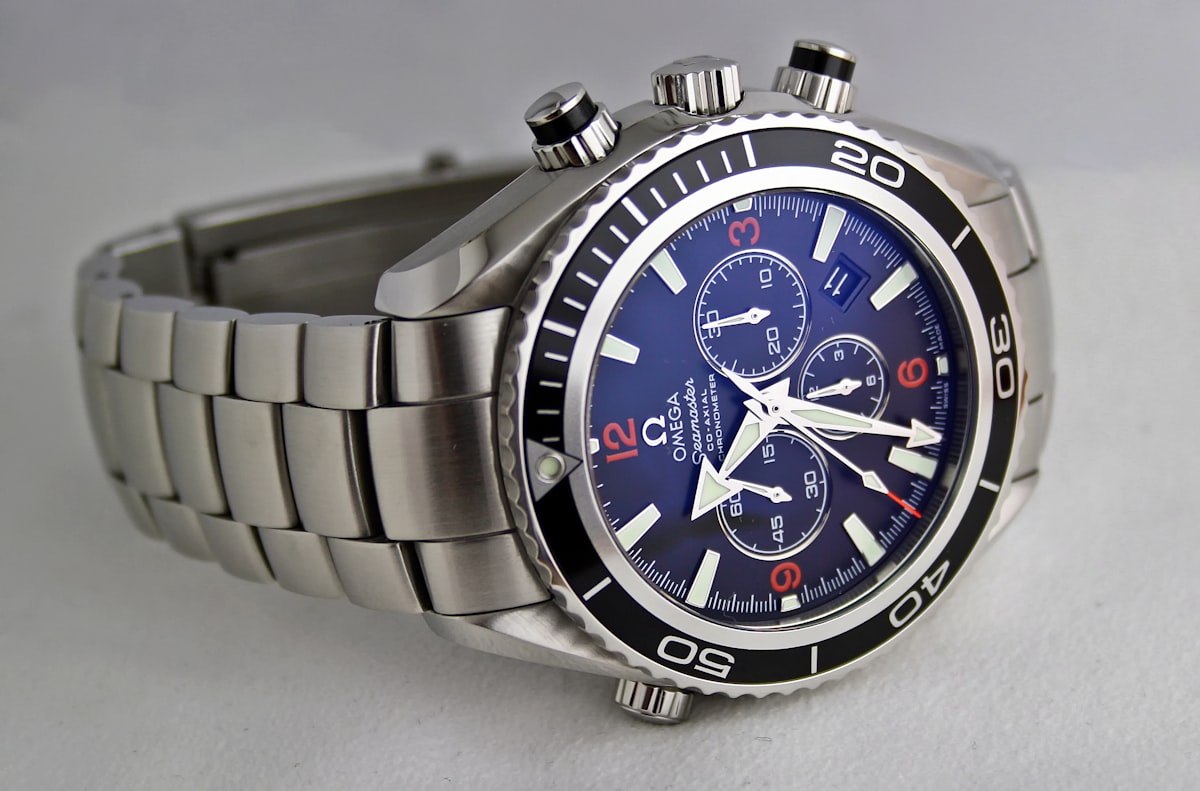
Nomos Glashütte — Bauhaus design principles applied to mechanical watchmaking, producing some of the most distinctive dials in the industry
The German Makers Worth Knowing
Nomos Glashütte
The most accessible serious German watchmaker and the best entry point into Glashütte watches. Nomos designs its own in-house movements, its own dials, and its own cases — an unusual level of vertical integration at this price point. The Club, Tangente, and Orion ranges offer genuine in-house mechanical watches with Bauhaus-clean dials at prices that make Swiss equivalents look overpriced. The Tangente in particular — slim, white dial, clean typography — is one of the finest designs in contemporary watchmaking.
Sinn
Frankfurt-based tool watch manufacturer producing some of the most technically serious watches at accessible price points. The 104 pilot's chronograph, the 556 series, and the 756 dress watch all use ETA or Sellita base movements with significant proprietary modifications and Sinn's unique case technologies. Not glamorous. Extremely capable. For buyers who want a watch that actually does what it implies, Sinn is one of the best answers in watchmaking.
Glashütte Original
The most commercially mainstream of the Glashütte makers — now owned by Swatch Group — producing in-house movements with Glashütte's three-quarter plate architecture. The Senator and PanoMatik ranges show what German watchmaking looks like when it's trying to appeal to buyers who know what they're looking at. More conservative than Nomos, more accessible than A. Lange. A sensible middle path into serious German horology.
A. Lange & Söhne
The pinnacle. A. Lange & Söhne produces movement finishing that rivals Patek Philippe and exceeds most other Swiss makers, at prices that reflect the extraordinary hand labour involved. The Saxonia, the Lange 1 with its outsize date, the Zeitwerk with its jumping digital display — these are genuinely great watches. If you find yourself at this price level, Lange deserves serious consideration alongside any Swiss alternative. Their movements, finished by hand in Glashütte, are exceptional objects.
Why German Watches Stay Secret
German watches remain underappreciated for a simple reason: Switzerland has better marketing. Rolex, Patek Philippe, and Omega spend considerable resources ensuring their names are globally recognised. Nomos and Sinn spend considerably less. The result is that someone buying their first serious watch will almost always default to a brand they recognise — which means Switzerland — without ever discovering that a Nomos Tangente at $1,500 is a more interesting watch than most Swiss options at twice the price.
This is your advantage as a buyer. German watches carry less brand premium than Swiss equivalents. You are paying more purely for the watch and less for the name on the dial. For buyers who have done their research — and by this point in this guide, you have — that represents genuinely good value in a category where genuine value is increasingly rare.
The JW Verdict
German watches are the best kept secret in watchmaking because they deliver exceptional quality, distinctive design, and honest value — wrapped in brands that haven't yet achieved the global recognition of their Swiss competitors. That won't last forever. Nomos is growing. A. Lange & Söhne is increasingly known among serious collectors. The window in which you can own a genuinely excellent Glashütte watch for less than the equivalent Swiss alternative is open, but it won't be open indefinitely.
Start with Nomos if you want a beautiful, design-led watch at a sensible price. Consider Sinn if you want engineering above all else. Save for A. Lange & Söhne if you want the absolute best that German — or arguably any — watchmaking produces. None of these choices will disappoint. Most of them will surprise people who thought they knew what serious watches look like.