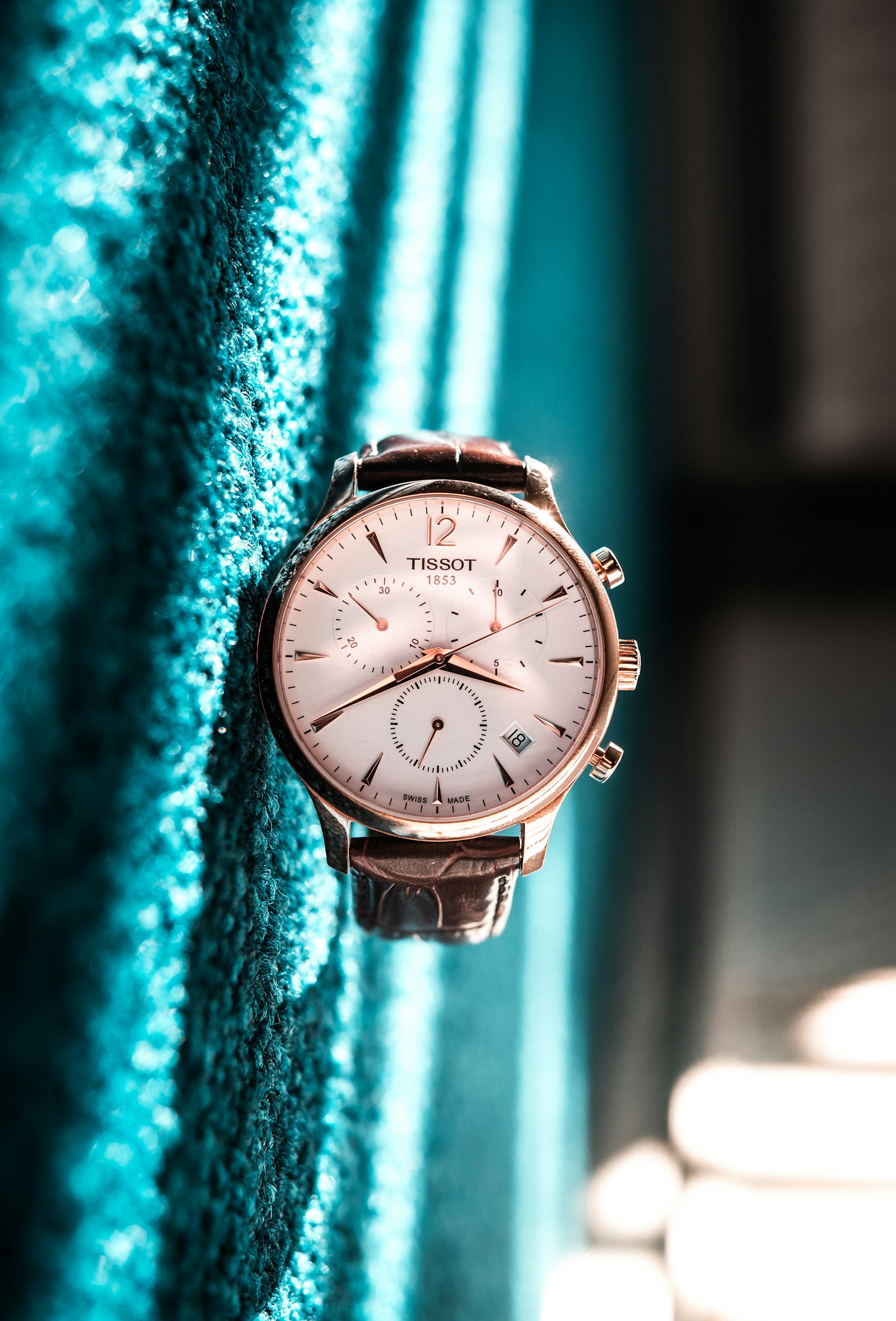
The major watch brands have a problem, and they know it. A Rolex Submariner costs over $10,000 at retail and routinely sells for more on the grey market. An Omega Seamaster costs $6,000. An IWC Pilot's Watch costs $6,100. These are excellent watches. They are also extremely expensive for what you're getting, because a significant portion of that price is paying for the name on the dial, the marketing budget behind it, the retail network that supports it, and the decades of brand equity accumulated to make you want it in the first place. The watch itself — the movement, the case, the dial — represents a fraction of that number.
Microbrand watches exist because a generation of founders noticed this gap and decided to do something about it. Small teams, direct-to-consumer sales, no retail markup, no advertising budget, no heritage premium. Just the watch — often with specifications that would cost three times as much from a major brand, at a price that reflects what the watch actually costs to make rather than what the market will bear because of the name.
The result is some of the most interesting, most honest, and best value watchmaking available today. And if you haven't been paying attention, you've been missing it.
How Microbrands Work
The microbrand model is straightforward. A founder — usually someone with a genuine passion for watches and often a background in design or engineering — develops a watch concept, sources components from established Swiss or Japanese suppliers, and sells directly to customers via a website and social media. No retail partners taking 40% margins. No flagship boutiques in expensive real estate. No celebrity endorsements. The savings flow directly into the watch.
Most microbrands use proven Swiss or Japanese movements — ETA, Sellita, Miyota, Seiko NH — rather than developing their own. This is honest and sensible. A Sellita SW200 in a beautifully finished case with a distinctive dial is a better watch than a proprietary movement in a mediocre case. The movement is one component. The total package is the watch.
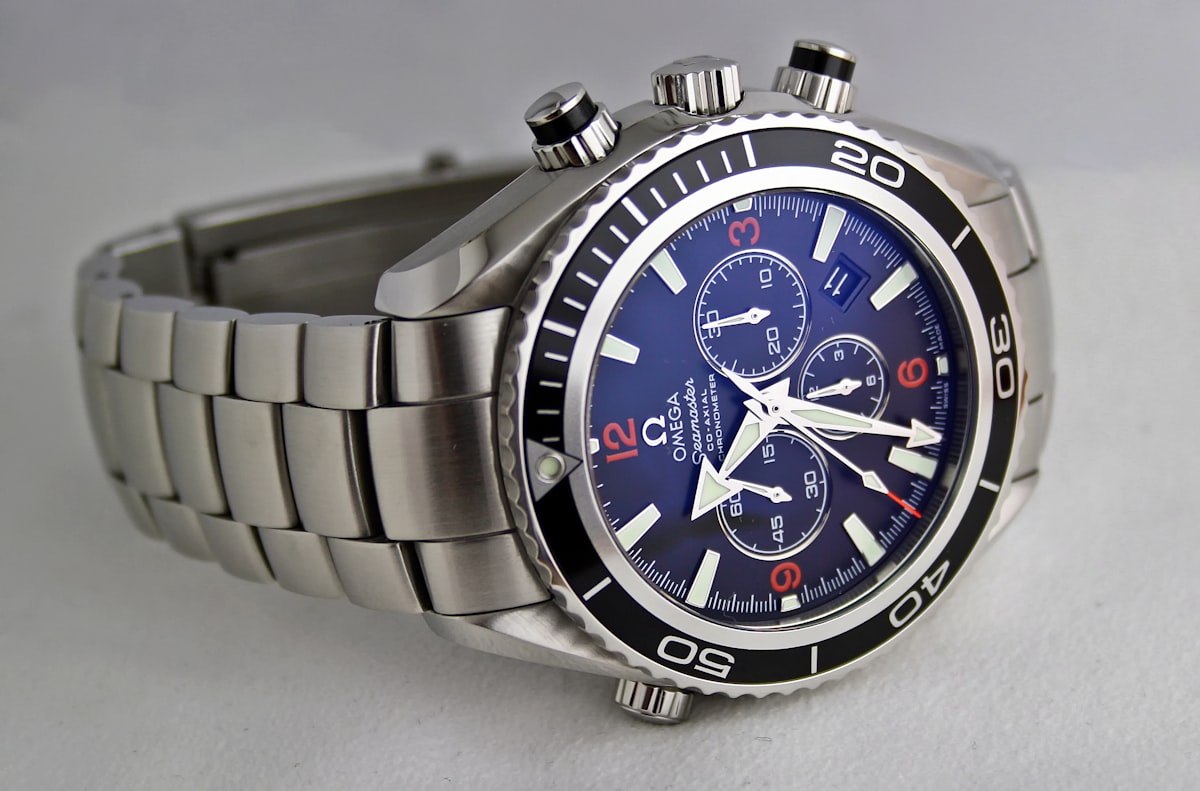
Microbrand finishing quality has improved dramatically — sapphire crystals, exhibition casebacks, and distinctive dials are now standard at $300-$600
What the best microbrand founders bring is taste, obsession, and direct accountability to customers who found them on the internet and will tell them publicly if the product disappoints. The feedback loop is faster and more honest than anything a major brand experiences. The watches that survive and grow do so because buyers genuinely love them.
"A significant portion of a major brand's price pays for the name, the marketing, and the retail network. Microbrands charge you for the watch. That's a meaningful difference."
Baltic — Where Microbrand Meets Vintage Soul
Baltic is the microbrand that converted a generation of collectors who thought they'd never stray from established Swiss names. Founded in France in 2017, Baltic produces vintage-inspired watches with a restraint and quality of design that punches well above its price point. The cases are beautifully proportioned, the dials reference the great tool watches of the 1950s and 60s without copying them, and the finishing is genuinely impressive for the money.
The Aquascaphe dive watch — already mentioned in our dive watch guide — is one of the best sub-$700 divers available anywhere. The HMS 002 field watch and the Bicompax chronograph show a brand that knows exactly what it's doing aesthetically and isn't trying to be anything other than what it is. Baltic is the answer to the question: what does a microbrand look like when it gets everything right from day one?
JW's Favourite Microbrands
Baltic
Vintage-inspired watches with exceptional design restraint and quality beyond their price point. The Aquascaphe dive watch is one of the finest sub-$700 divers on the market — beads-of-rice bracelet, domed crystal, genuine tool watch DNA. The HMS field watch and Bicompax chronograph show the same care. Baltic is what a microbrand looks like when the founder has genuinely great taste. Full selection in our Best Microbrands guide.
Vaer Watches
American-assembled field and dive watches with Swiss and Japanese movement options. Vaer is notable for transparency — they tell you exactly where every component comes from, which is rare in any watch category. The A5 field watch and D5 dive watch offer genuine quality at prices that reflect direct-to-consumer efficiency. Clean dials, solid cases, honest value. For buyers who care about American assembly, Vaer is the answer.
Brew Metric
One of the most distinctive design voices in microbrands — Brew watches look like nothing else on the market. The Retrograph with its analogue display readout and the Metric with its clean modernist dial are watches that collectors notice immediately. Miyota movements, excellent finishing for the price, and a design identity that is completely original. If you want a watch that starts conversations, Brew is your answer.
Henry Archer
Scandinavian design applied to field watches, with a colour palette and dial aesthetic that stands apart from the brown-leather-and-military crowd. Henry Archer watches are clean, modern, and wearable in ways that more overtly military-influenced field watches sometimes aren't. Swiss movements, sapphire crystals, excellent proportions. The kind of watch that looks considered rather than enthusiast-coded.
AWAKE
AWAKE is a French independent brand producing watches centred on exceptional artisan dial work — métiers d'art techniques applied to accessible watchmaking. Recycled titanium cases, Miyota movements, sapphire crystals with integrated NFC authentication. The dials are the story: handcrafted using techniques you normally find only in watches costing ten times the price. Priced higher than most microbrands but delivering something genuinely different in return.
The microbrand landscape rewards research — the buyers who find these watches tend to keep finding them
The Honest Risks
Microbrands are not without risk and it's worth saying so plainly. A small company can close. Service networks are limited — you may need to send a watch to a single watchmaker rather than a global network. Resale value is lower than established brands. Quality control, while generally good among reputable microbrands, can be less consistent than brands with decades of production refinement.
How to buy microbrands safely: Research the founder and the company history. Look for brands that have been operating for at least 3-5 years and have visible, responsive customer service. Check independent reviews on WatchUSeek, Reddit's r/Watches, and YouTube — the microbrand community is vocal and honest. Avoid brands that make vague claims about Swiss components without specifics. The best microbrands are transparent about exactly what's in their watches.
The Microbrand Future
The microbrand category is maturing. The early days of simply putting a decent Miyota movement in a nice case and selling direct are giving way to something more ambitious — brands developing genuine house aesthetics, building customer communities, and in some cases developing proprietary movement modifications. Baltic, Nodus, and others are developing genuine house aesthetics and deeper movement specifications. The category is earning its place alongside established names.
The major brands are watching, and some are responding — Rolex hasn't, because Rolex doesn't need to, but mid-tier Swiss brands have quietly improved their value propositions over the last decade as microbrand competition has grown. This is good for everyone. Competition improves the product. The buyers who discovered microbrands early helped create that competition, and the entire watch market is better for it.
The JW Verdict
Microbrands represent the best value in watchmaking today. The gap between what you pay and what you get — the specifications, the finishing, the movement quality — is smaller than anywhere else in the market. You are paying for the watch, not the heritage, not the marketing, not the retail margin. That is a genuinely good deal and it's available right now to anyone willing to spend twenty minutes researching beyond the brands they already know.
Baltic for vintage soul and exceptional value. Vaer for American assembly and transparency. Brew for design originality. Henry Archer for Scandinavian restraint. AWAKE for exceptional artisan dial work at independent prices. Each of these brands is doing something specific and doing it well — and each of them costs a fraction of what you'd pay for the equivalent from a name you'd recognise at a dinner party. Which, when you think about it, is the whole point.