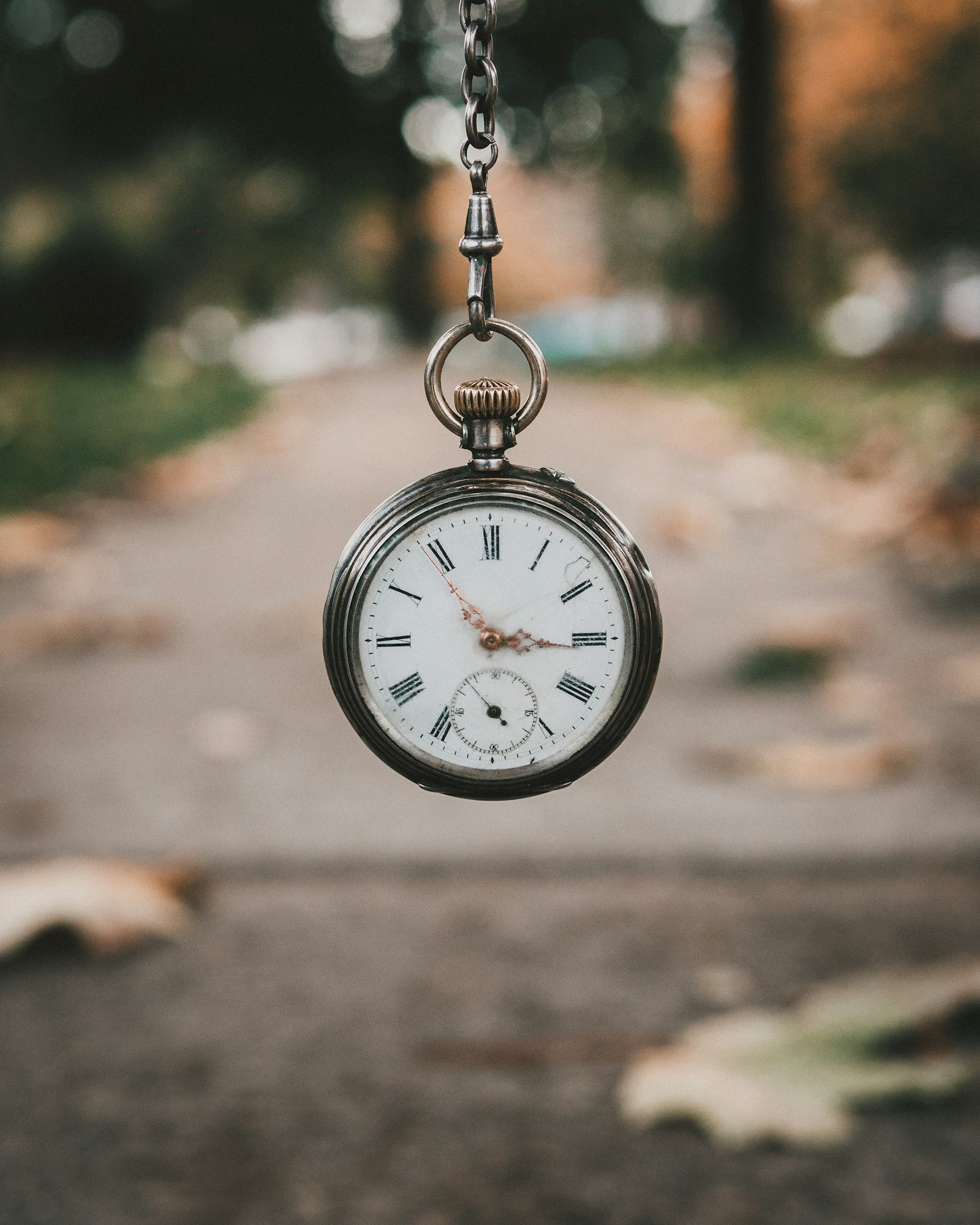
Swiss Made appears on the dial of a $200 Tissot and a $200,000 Patek Philippe. It is, by any reasonable measure, the most elastic quality claim in retail. A guarantee of geography more than a guarantee of excellence — though the two are more closely connected than critics of the label admit. The question worth asking is not whether Swiss Made means anything. It does. The question is whether it means enough to justify the premium it commands, and the answer, as with most interesting questions, is: it depends.
The short version of JW's position: yes, Swiss Made is worth it. Not because the label is magic, but because the infrastructure, tradition, and regulatory framework behind it produces watches that are genuinely better — on average, across the price spectrum — than comparable watches made elsewhere. The premium is real. So is the quality it buys.
What Swiss Made Actually Means
The Swiss Made designation is regulated by Swiss law, which is more than most country-of-origin claims can say. To legally stamp Swiss Made on a watch dial, the movement must be Swiss, the movement must be cased up in Switzerland, and the manufacturer must carry out the final inspection in Switzerland. Since 2017, the regulations tightened further: at least 60% of production costs must be incurred in Switzerland.
This matters because it means you can't simply source cheap components from elsewhere, assemble them in a Swiss warehouse, and call the result Swiss Made. There is genuine substance to the label — Swiss movements, Swiss assembly, Swiss quality control. What it doesn't guarantee is any particular level of finish, complication, or movement quality above that regulatory floor. A Swiss Made movement can be a basic Sellita SW200 or a Patek Philippe calibre 240. Both are Swiss. The difference in quality and price is approximately $200 versus $20,000.
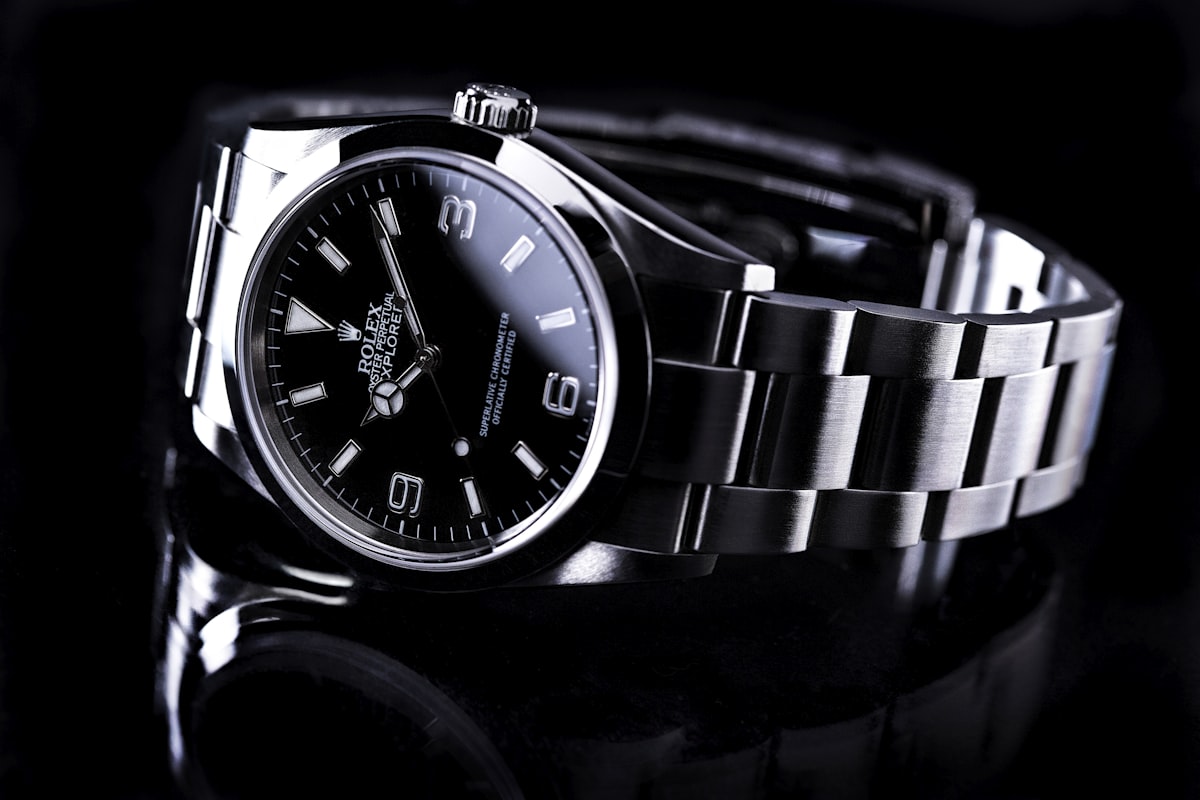
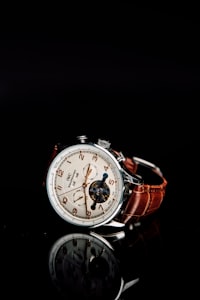
Geneva Stripes, perlage, bevelled bridges — Swiss finishing traditions that the label alone doesn't guarantee, but Swiss watchmakers are most likely to deliver
What You're Actually Paying For
The Swiss watch industry has five centuries of accumulated knowledge, infrastructure, and craft tradition. The Vallée de Joux in the Jura mountains — where Jaeger-LeCoultre, Breguet, and Blancpain are based — has been producing watchmaking components continuously since the 17th century. The skilled labour pool, the specialist component suppliers, the finishing traditions, the quality control culture — these things don't exist anywhere else in the world at the same concentration and depth.
When you buy a Swiss Made watch, you are paying for access to that infrastructure. At the lower end — Tissot, Hamilton, Certina — you get Swiss movements with demonstrably better regulation and quality control than comparable Asian movements. The accuracy is better. The service network is better. The resale value is better. At the higher end — Omega, IWC, Rolex — you get finishing standards, movement development, and quality control that represents the genuine summit of what watchmaking can produce.
"Swiss Made is a guarantee of geography more than excellence. But Swiss geography has been producing watches for five centuries, and that matters more than it sounds."
Where Swiss Made Earns Its Premium — By Price Tier
Under $500
At this level, Swiss Made represents a meaningful quality step up from most alternatives. A Tissot PRX Powermatic 80 at $425 uses a Swiss movement with an 80-hour power reserve and silicon balance spring — technology that simply doesn't exist in non-Swiss movements at this price. The label here translates directly into better components and better regulation. Worth it.
$500 to $2,000
This is the sweet spot where Swiss Made delivers the clearest return. Hamilton, Certina, Mido, Longines — all Swatch Group brands using Swiss movements with genuine quality advantages over the competition. COSC chronometer certification is available at this price point from Swiss makers and virtually nowhere else. If you're spending $1,000 on a watch, spending it on Swiss Made is a rational choice.
$2,000 to $10,000
Tudor, Oris, Omega, IWC. At this level the Swiss Made premium buys in-house movements, Master Chronometer certification, serious finishing quality, and a watch that will hold its value considerably better than equivalents from outside Switzerland. The premium is substantial. So is the justification.
$10,000 and above
Rolex, Patek Philippe, A. Lange & Söhne, Jaeger-LeCoultre. At this level the question stops being about Swiss Made and starts being about specific makers. The label is assumed. The differentiation is in the movement architecture, the finishing level, and the history of the house. Worth every penny for the right buyer — though "right buyer" is doing real work in that sentence.
The honest exception: Grand Seiko. Japanese, not Swiss, and producing watches at $5,000–$30,000 that genuinely rival the best Swiss output in finishing quality and movement innovation. The Spring Drive in particular is an achievement that no Swiss maker has matched. Swiss Made is worth its premium — but it is not the only premium worth paying. See our Japan vs Switzerland guide for the full argument.
Swiss Made Watches Worth the Premium
Tissot PRX Powermatic 80 — Best Entry Swiss
Swiss automatic, 80-hour reserve, silicon balance spring, integrated bracelet. The clearest demonstration that Swiss Made at this price delivers genuine technical advantages. Nothing comparable exists outside Switzerland for the money. Our $300-$500 guide has the full details.
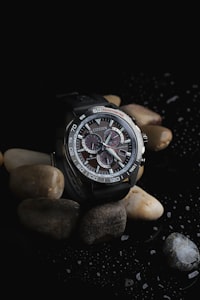
Longines HydroConquest — Best Mid-Range Swiss
Swiss L888 movement, ceramic bezel, 300m. Longines is the most undervalued name in Swiss watchmaking — producing quality that punches well above its price point, consistently, for over a century. The HydroConquest is the best value Swiss dive watch at any price. See our $1K-$2K guide.
Omega Seamaster Diver 300M — Best Premium Swiss
Master Chronometer — METAS certified to standards beyond COSC. Anti-magnetic to 15,000 gauss. Ceramic dial. This is Swiss Made performing at the level the premium actually promises. Every penny justified. Full review in our Best Omega Watches guide.
The JW Verdict
Swiss Made is worth the premium. Not unconditionally, not at every price point equally, and not to the exclusion of excellent Japanese and German alternatives. But the label represents five centuries of accumulated craft, a regulatory framework with real teeth, and a watchmaking infrastructure that produces better watches — on average — than anywhere else in the world.
When you're spending real money on a watch you intend to wear daily and keep for decades, the Swiss Made label is the most reliable quality signal available. It doesn't guarantee perfection. It does guarantee that the people who made your watch have been making watches, seriously, for a very long time. In watchmaking, that matters.