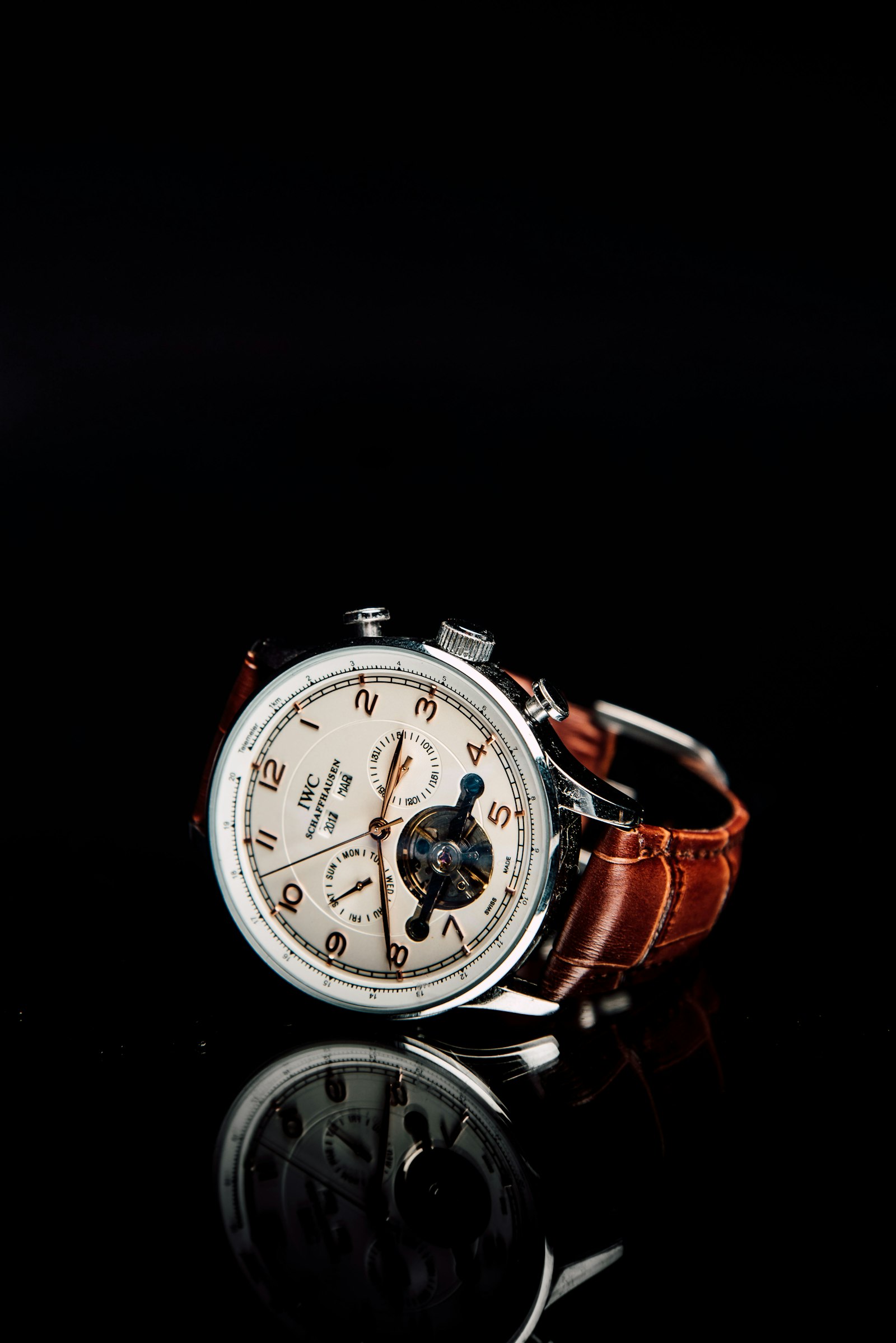
The watch world loves to argue about tool watches — the dive watches, the pilot watches, the GMT complications. And there is plenty worth arguing about. But the watch that actually does the most work in a real wardrobe, the one that moves from a morning meeting to a dinner without asking permission, the one that looks exactly right under a shirt cuff and exactly right on a weekend without a tie — that watch is a dress watch. And it doesn't get nearly enough credit.
A great dress watch is the hardest watch to design well. Complications can disguise mediocre design. A chronograph gives you a busy dial to hide behind. A dress watch has nowhere to hide. It is a clean dial, a slim case, a few hands, and whatever quality of thought went into it. That's the entire proposition. If it works, it works because everything is right. If it doesn't, there's nothing to blame except the fundamentals.
What Actually Makes a Dress Watch
The definition is contested, which is typical of watch collecting. But in practice, a dress watch has a few consistent qualities. The case is slim — slim enough to slide under a shirt cuff without creating a visible bump. The dial is restrained — indexes rather than numerals, or at most simple Roman or Arabic numerals with nothing superfluous. The case diameter tends toward the smaller end of the spectrum, typically 36-40mm, because a dress watch that dominates the wrist has missed the point entirely.
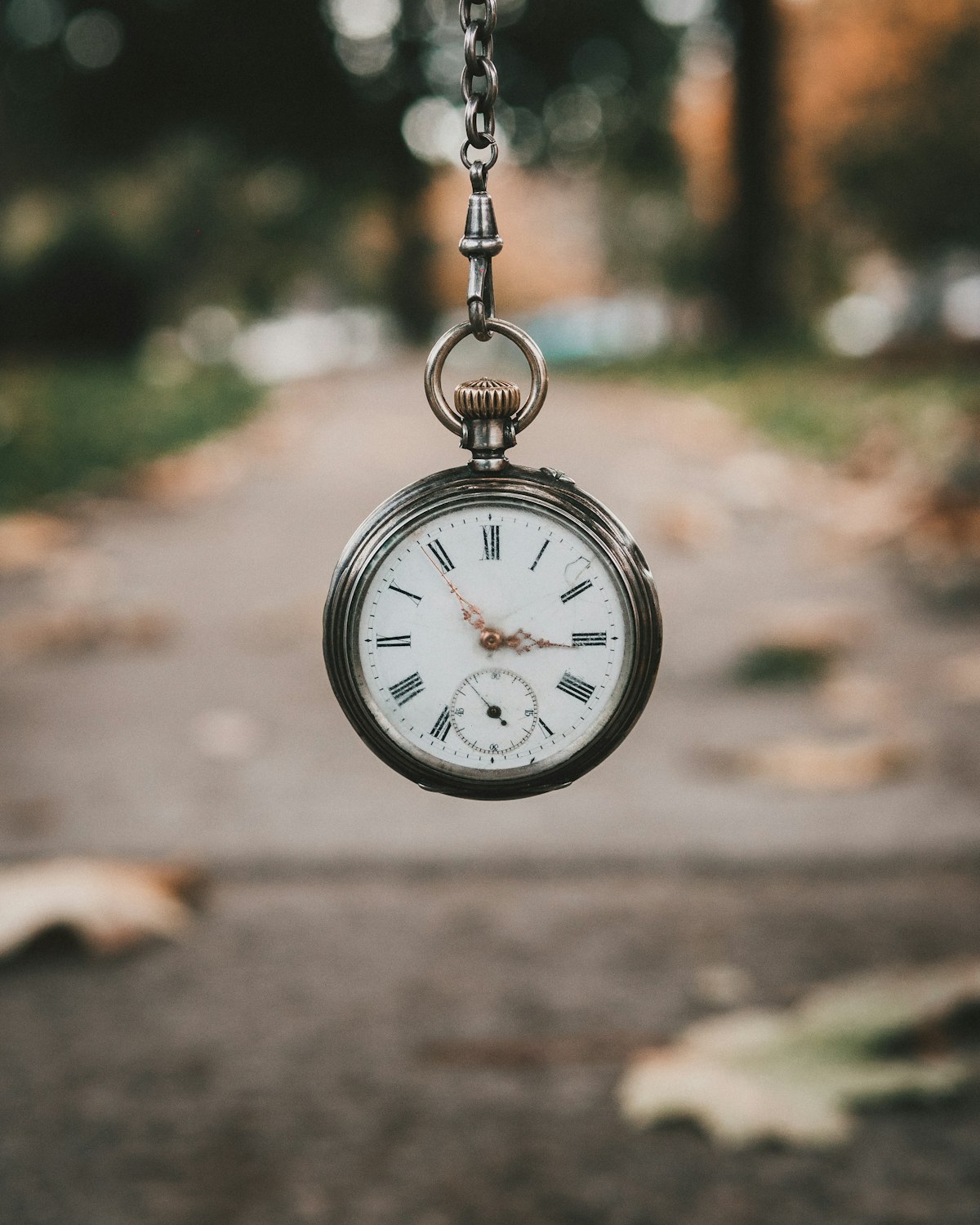
The clean dial is the whole point — nothing superfluous, nothing competing for attention
What a dress watch is not: a watch with a date window at 3 o'clock that breaks the symmetry of the dial. A watch with a busy sub-dial counting something. A watch with a bezel thick enough to be functional. These things are fine on the right watch in the right context. On a dress watch they are noise, and a dress watch should have no noise.
The best dress watches have dials so clean they almost disappear. The Patek Philippe Calatrava. The Jaeger-LeCoultre Master Ultra Thin. The A. Lange & Söhne Saxonia. What these watches have in common is restraint — the confidence to show you less and trust that less is more interesting. It takes considerably more skill to make a dial compelling with three hands and two indexes than to make it interesting by covering it in complications.
"A great dress watch is the hardest watch to design well. It has nowhere to hide. Everything has to be right."
The Bracelet and Strap Question
Here is where a dress watch earns its keep as the one watch that genuinely works with everything: versatility through strap changes. A dive watch on a rubber strap is a dive watch. A chronograph on a racing strap is a racing watch. A dress watch on a slim leather strap is formal. The exact same watch on a well-finished metal bracelet is business. On a NATO or canvas strap, it's weekend. The watch hasn't changed. The context has.
This is the practical argument for owning a dress watch even if you work in a casual environment. A clean, simple watch face reads differently depending entirely on what it's on your wrist with. The complication-heavy sports watch signals effort — it's announcing itself. A dress watch simply exists, elegantly, and adapts to whatever you're wearing around it.
The watches that do this best have cases that work in both contexts — not so dressy they look absurd on a bracelet, not so sporty they look wrong with formal clothes. The Longines Flagship Heritage, the Tissot Le Locle, the Orient Bambino at the accessible end. The Omega Constellation, the IWC Portofino in the middle. The Patek Calatrava and Jaeger-LeCoultre Master range at the top. All of them move between contexts without complaint.
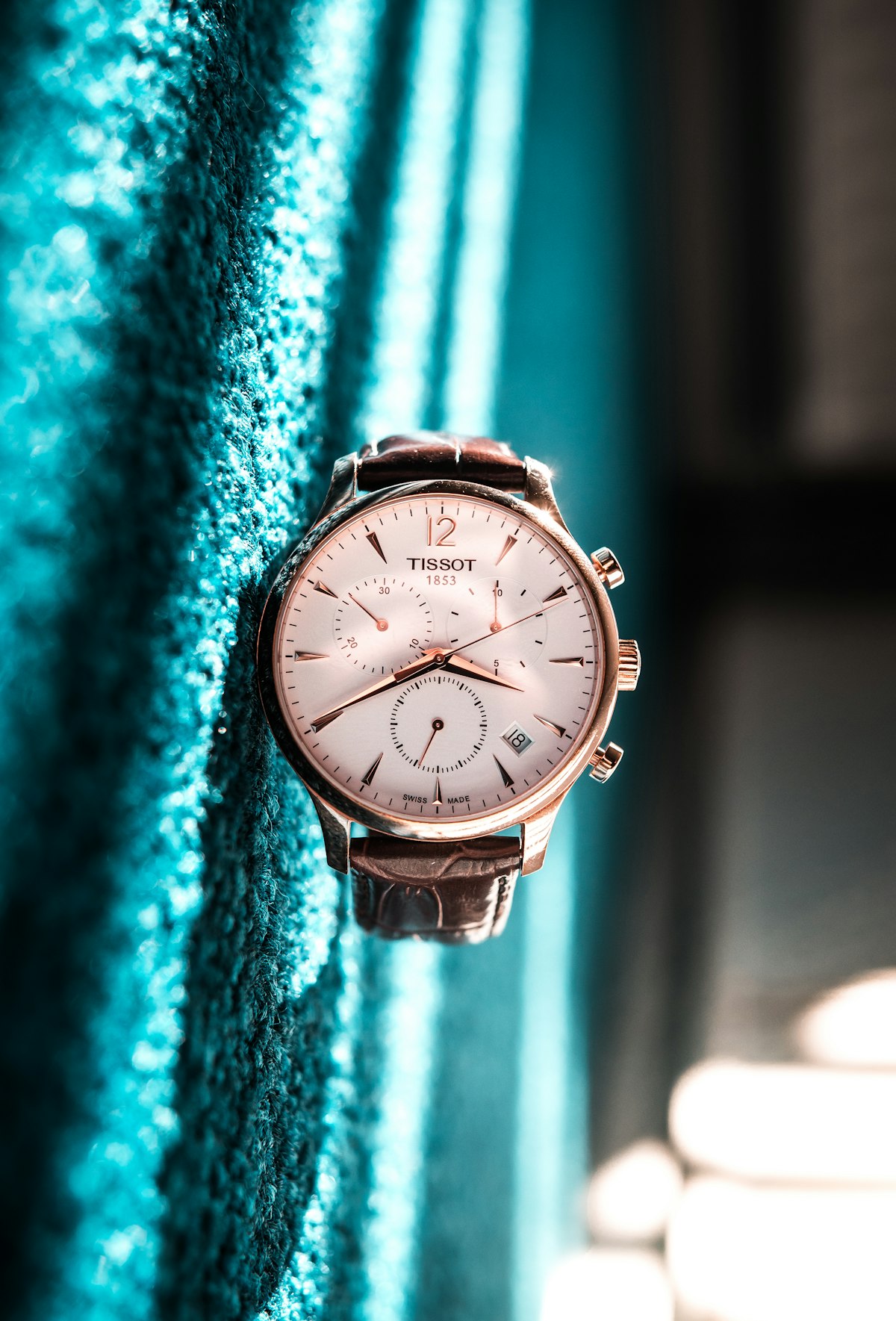
On leather for evenings, on bracelet for the office — the same watch, two completely different reads
The Case for the Clean Dial
There's a tendency among newer watch buyers to equate complexity with value. More subdials, more functions, more going on — more watch, more money spent wisely. This is understandable and almost entirely wrong.
The clean dial is not a budget compromise. It is an aesthetic position — one that the finest watchmakers in the world have consistently held for centuries. The Patek Philippe minute repeater that sold for $31 million at auction had a remarkably simple dial. The most celebrated pocket watches of the 19th century were, at their face, two hands on white enamel. The complication was in the movement, invisible unless you flipped the watch over.
A clean dial forces you to look at the quality of what's there rather than the quantity. The finishing of the hands. The depth of the dial. The quality of the printing or applied indexes. The proportions of the case relative to the dial. These things reveal themselves on a simple dial. On a busy one, they hide.
On case size: The modern trend toward larger watches — 42mm, 44mm, 46mm — works for sports watches and field watches. On a dress watch it looks wrong. A slim dress watch at 38mm sits precisely under a shirt cuff, doesn't catch on anything, and proportions correctly against a suited wrist. If you've only worn larger watches, try a well-made 38mm dress watch for a week. The adjustment takes about two days. After that, anything larger will start to look a bit loud.
When to Wear a Dress Watch
The honest answer is: more often than you think, and more places than the name suggests. "Dress watch" implies formal occasions — weddings, black tie events, important dinners. And yes, a dress watch is exactly right in those contexts. But the daily case for a dress watch is stronger than most people realise.
In any professional environment where you're meeting clients, presenting to senior people, or simply want to look considered rather than casual, a clean dress watch signals something. Not wealth, necessarily — there are excellent dress watches at every price point. It signals that you think about details. That you care about proportion and restraint. These are not bad things to signal in a professional context.
And outside formal settings? A simple watch on a leather strap with jeans and a white shirt is one of the most reliably good-looking combinations in casual dressing. The watch doesn't need to be expensive. It needs to be clean, appropriately sized, and on the right strap. That combination works every time.
JW's Dress Watch Picks
Orient Bambino — Best Entry Point
In-house automatic, domed crystal, genuinely beautiful dial finishing for the price. The correct first dress watch for most people. Looks considerably more expensive than it is, which is exactly what a dress watch should do. See our $100-$300 guide.
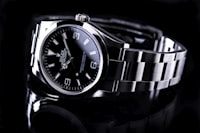
Longines Master Collection — Best Mid-Range
Swiss made, beautiful moonphase option, slender profile. Longines produces some of the most underrated dress watches in the world at prices that make the Swiss luxury houses quietly uncomfortable. Our $1K-$2K guide has the full picture.
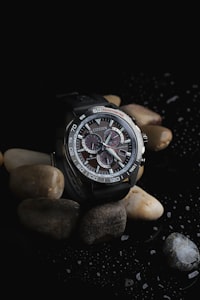
Omega Constellation — Best Sports-Dress Crossover
Integrated bracelet, Master Chronometer movement, works equally well in formal and business contexts. The Constellation is Omega's most underappreciated watch — less famous than the Speedmaster and Seamaster, but arguably the most wearable thing they make. See our $5K-$10K guide.

Jaeger-LeCoultre Master Ultra Thin — The Benchmark
4.05mm case height. Hand-wound. Vanishes under a cuff completely. The dress watch that defines what a dress watch should aspire to be. If you're going to own one serious dress watch, the argument for this one is difficult to improve upon. Full details in our $10K-$20K guide.
The JW Verdict
A dress watch is not a special occasion purchase. It is the most versatile watch you can own — capable of going anywhere, working with anything, and asking nothing of the context it finds itself in. The clean dial isn't minimalism for its own sake. It's a considered choice that ages better than complexity and works harder than anything busier.
Buy something slim. Buy something with a dial you can look at without immediately wanting to understand all the information on it. Make sure it works on both leather and a bracelet. Then wear it everywhere. That is, quite literally, the point.