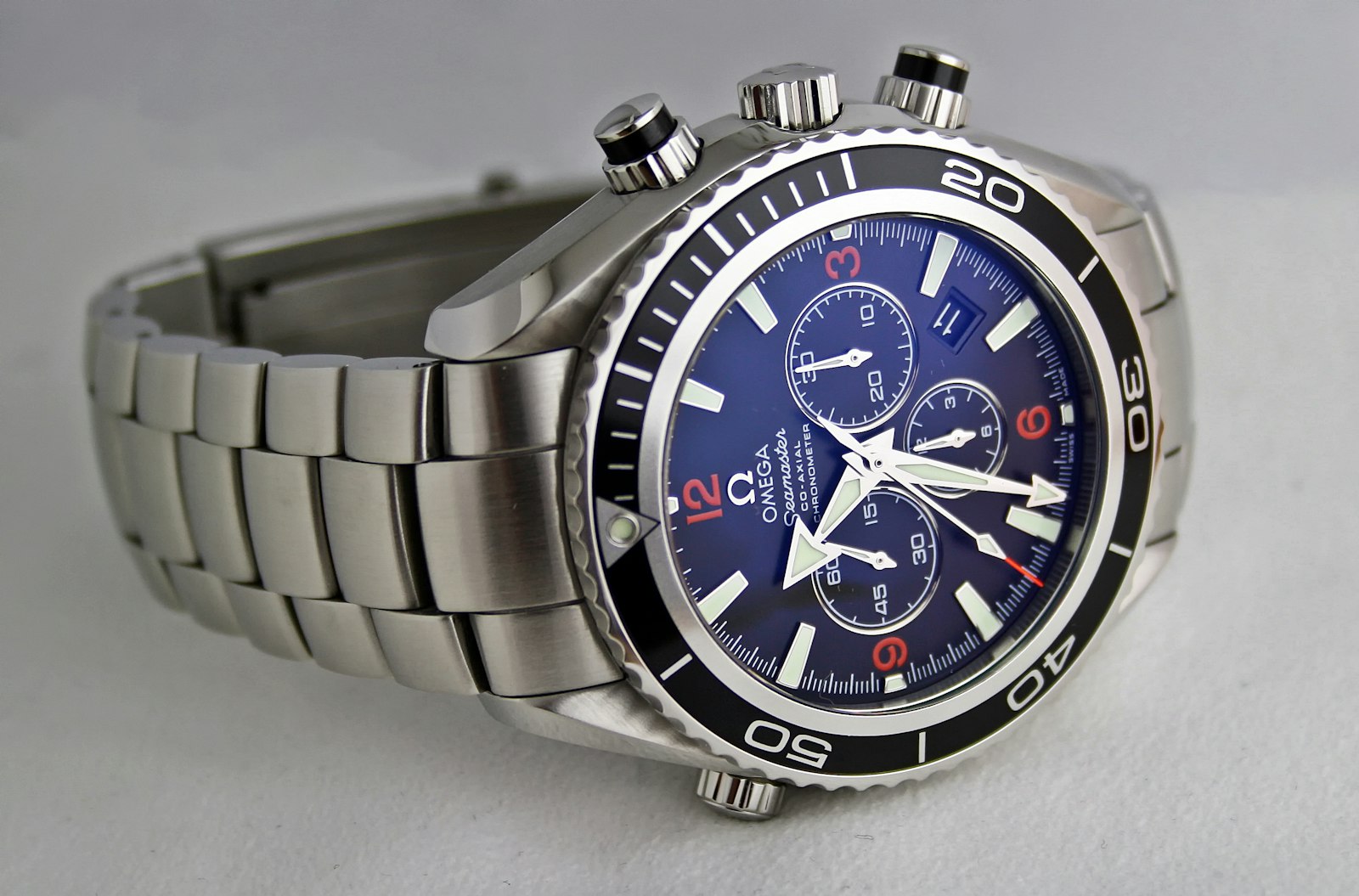
Statistically speaking, the vast majority of people who own a Rolex Submariner have never dived with it. The same is true of the Omega Seamaster, the Tudor Black Bay, the Oris Aquis, and every other dive watch currently sitting on someone's wrist in an office, a restaurant, or a school run. The dive watch is the most successful non-diving product in the history of diving equipment. Nobody seems particularly bothered by this, and they shouldn't be.
Because the dive watch, freed from the pressure of actually going underwater, turns out to be something rather wonderful: the most versatile, most wearable, most honest category of watch ever made. The design brief that produced it — legible, robust, water resistant, reliable — turns out to describe exactly what most people want from a watch they're going to wear every day for the next thirty years.
Why Dive Watches Work Everywhere
The dive watch succeeded as an everyday watch for the same reason it succeeded as a professional tool: the design is almost perfect for its purpose. And when your purpose is simply to tell the time reliably on a wrist that is going to encounter rain, sweat, the beach, the shower, the gym, and everything else a normal life involves — a watch rated to 300 metres of water pressure is very well specified indeed.
The rotating bezel, which exists to track elapsed dive time underwater, turns out to be genuinely useful above water too. Timing a parking meter. Tracking how long something has been in the oven. Knowing how long you've been in a meeting that should have ended twenty minutes ago. The bezel is a one-way countdown timer that requires no battery, no app, and no learning curve. It is elegant in its simplicity.
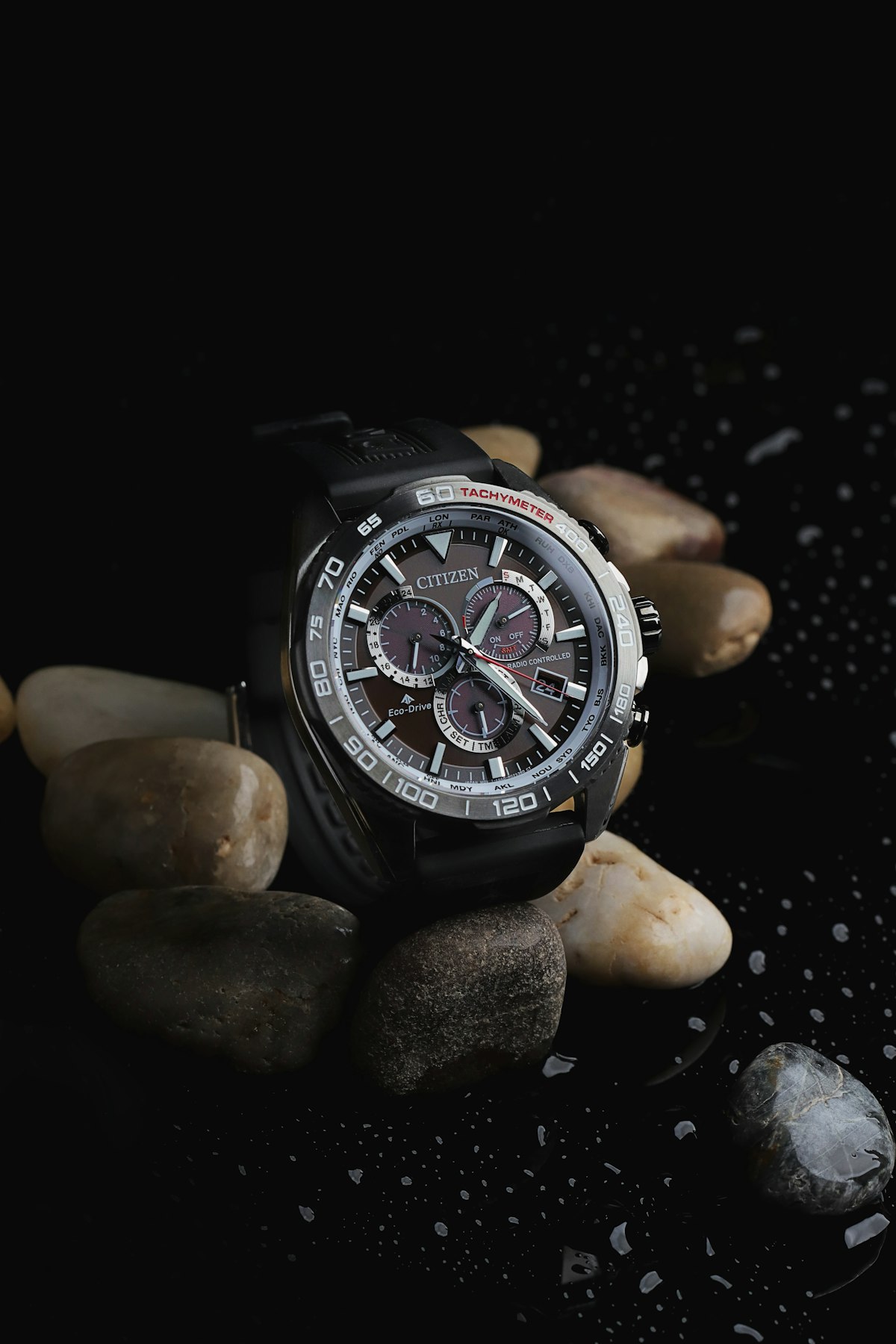
The rotating bezel — designed for decompression stops, useful for everything else
The dial philosophy of a dive watch also happens to be excellent for daily wear. High contrast. Strong luminosity. Large, clear hour markers. The information hierarchy is immediate — you look at it and you know the time. No squinting. No hunting around a busy dial for the hands. A dive watch dial is designed to be read in conditions of poor visibility at depth, which means it is also excellent in a dark restaurant, a dim theatre, or a 6am commute.
"The design brief that produced the dive watch — legible, robust, water resistant, reliable — turns out to describe exactly what most people want from a watch they're going to wear every day."
A Brief History of the Dive Watch
The modern dive watch was born in the early 1950s, when Rolex and Blancpain independently developed watches capable of withstanding meaningful water pressure. The Rolex Submariner launched in 1953, rated to 100 metres. The Blancpain Fifty Fathoms, developed with French naval commandos, launched the same year. Both established the template that has barely changed since: rotating bezel, screw-down crown, large luminous markers, unidirectional bezel rotation so it can only turn in the direction that adds time to the estimate — a safety feature ensuring a diver always knows the minimum air remaining.
The 1960s produced the golden age of dive watch design — the Omega Seamaster 300, the Heuer Autavia, the Seiko 62MAS, the original Tudor Submariner. Many of these designs are still in production, in essentially unchanged form, seventy years later. That's not nostalgia. That's a sign that the design was right the first time.
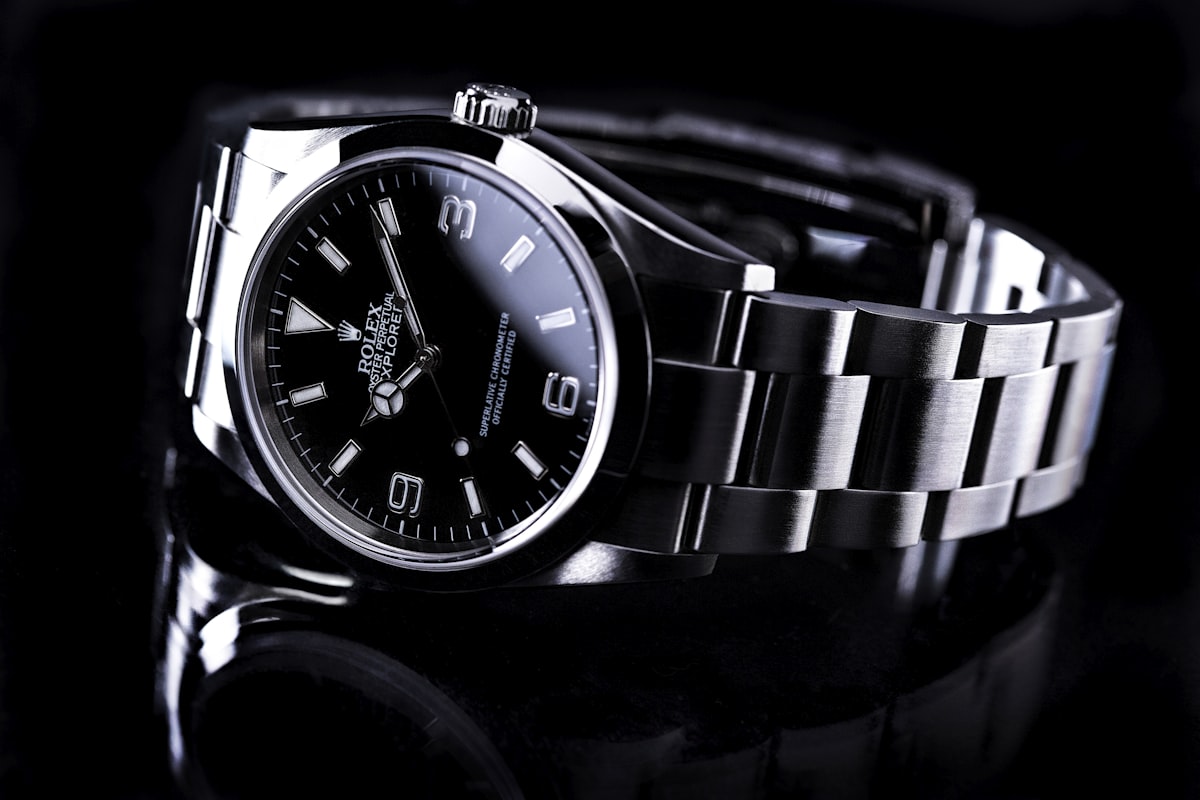
Vintage-inspired dive design — barely changed from the 1950s originals because the originals were already correct
How to Choose a Dive Watch
Case Size
The modern tendency toward 42-44mm dive watches looks impressive in a display case and wears large on an actual wrist. The sweet spot for most people is 38-41mm — large enough to read easily, proportioned correctly for daily wear. The Tudor Black Bay Fifty-Eight at 39mm is frequently cited as the best-proportioned modern dive watch for good reason. The Oris Aquis at 41.5mm is at the upper end of what wears comfortably. Go bigger than that and you're into territory where the watch starts wearing you rather than the other way around.
Bezel Insert Material
Entry and mid-range dive watches use aluminium inserts — lighter, less expensive, prone to fading over time in a way that many collectors actually find charming. Premium watches use ceramic inserts — harder, scratch resistant, colour-fast for decades. Both are excellent. The faded aluminium bezel on a well-worn dive watch has a character that no ceramic can replicate. The ceramic bezel on a newer watch will look exactly the same in thirty years. Choose based on whether you want your watch to show its age or not.
Bracelet or Strap
A dive watch on its original oyster-style bracelet is a complete object — the bracelet and watch were designed together and look right together. The same watch on a rubber strap is more casual and more sport-ready. On a NATO or canvas strap it's vintage-inspired and relaxed. The dive watch is, alongside the dress watch, the most strap-versatile category in watchmaking. Buy one bracelet and two straps and you have three different watches for the price of one.
On water resistance ratings: 30m (3ATM) means splash proof — rain and hand washing only. 50m means light swimming. 100m is genuine swimming and snorkelling capability. 200m+ is actual dive territory. For a watch you're going to wear daily and not worry about, 100m minimum is the sensible threshold. The good news: virtually every watch labelled as a dive watch is rated to at least 200m, so this mostly sorts itself out.
JW's Dive Watch Picks — For the Non-Diver
Oris Divers Sixty-Five — Best First Dive Watch
1960s design, 40mm, Swiss automatic, 100m rated. The Sixty-Five has the vintage proportions and character that make a dive watch genuinely interesting rather than merely capable. Wears beautifully on bracelet or strap. The dive watch JW would recommend to someone buying their first one. Full details in our Best Oris Watches guide.
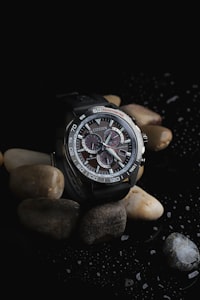
Tudor Black Bay Fifty-Eight — Best All-Rounder
39mm, in-house MT5402, 200m, snowflake hands. The most discussed dive watch of the last decade for good reason — the proportions are simply right. Not too big, not too dressy, not too sporty. It works everywhere. Our full take is in the Best Tudor Watches guide.

Omega Seamaster Diver 300M — Best Premium Choice
Master Chronometer, ceramic dial and bezel, wave pattern, 300m rated. James Bond's watch since 1995, and unlike most celebrity endorsements, it genuinely deserves the association. The Seamaster at this level is a serious piece of watchmaking wearing dive watch clothes. See our Best Omega Watches guide.
Baltic Aquascaphe — Best Value Vintage Diver
French microbrand, 39mm, vintage-inspired, beads of rice bracelet, 200m rated. The Aquascaphe delivers a genuinely beautiful vintage dive aesthetic at a price that makes it the easiest recommendation in this guide. If budget is the primary consideration, start here and work upward. Browse our Best Microbrands guide for more options like this.
The JW Verdict
Buy the dive watch. You don't need to justify it with plans to go underwater. The design that makes a dive watch excellent for diving makes it excellent for everything else — robust, legible, water resistant, and possessed of a visual confidence that comes from knowing exactly what it is and what it's for.
Start with something in the 38-41mm range. Make sure it works on the bracelet it comes with and at least one strap. Pick a colour that makes you happy every time you look at it — black dial, blue dial, or the occasional green if you're feeling adventurous. Then wear it everywhere and stop wondering whether a watch is appropriate for the occasion. It is. That's the whole point.