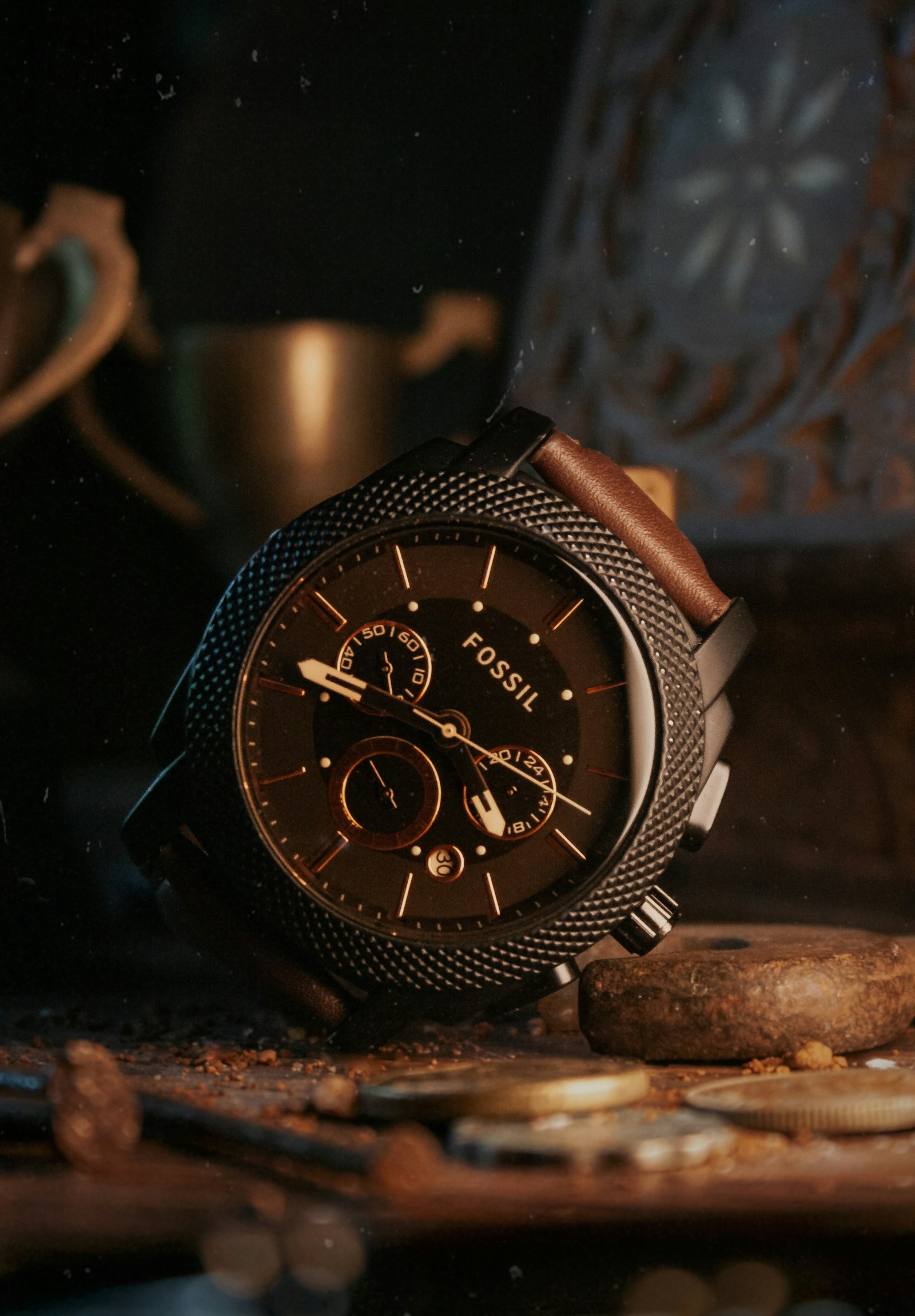
Every morning, before coffee, before email, before any of the noise of the day arrives, I pick up my watch and wind it. Twenty or so turns of the crown. I can feel the mainspring tensioning beneath my fingers, the resistance building as the watch stores the energy it'll spend over the next day. Then I put it on, and we're off. It takes thirty seconds. It is, without question, one of the better thirty seconds of my day.
Manual wind watches — also called hand-wound watches — are the oldest form of mechanical timekeeping still in production. They predate automatic movements by centuries. And in an era where everything is automated, self-optimising, and demanding as little of us as possible, there is something quietly radical about a watch that asks you to participate in keeping it alive.
How Manual Wind Works
The mechanics are beautifully simple. A manual wind watch stores energy in a coiled mainspring — identical to an automatic — but without the rotor mechanism that winds it automatically. Instead, you turn the crown. Each turn coils the mainspring a little further. When fully wound, most movements store enough energy to run for 40 to 80 hours. Some high-end movements offer several days of power reserve. The mainspring releases this energy gradually through the escapement, driving the hands.
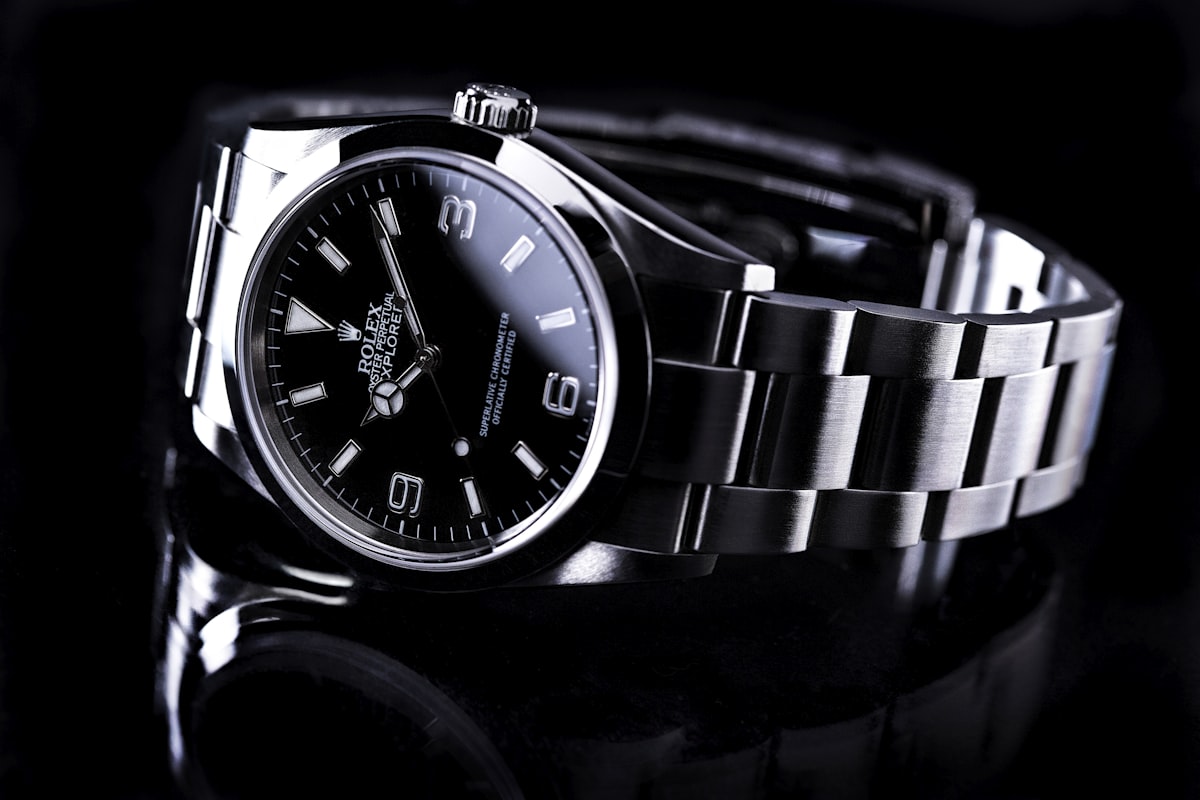
Without a rotor, manual wind movements can be made remarkably thin — one of their great aesthetic advantages
Without a rotor, manual wind movements have two significant advantages over automatics. First, they can be made considerably thinner — the rotor in an automatic takes up meaningful space, which is why the thinnest dress watches in the world are almost universally hand-wound. Second, they're mechanically simpler, which some watchmakers argue produces more consistent timekeeping. The fewer parts there are to interact, the fewer variables there are to manage.
"A manual wind watch doesn't just tell you the time. It asks something of you in return. That exchange is the whole point."
The Ritual Is Not a Burden
The most common objection to manual wind watches is the winding. You have to remember. You have to do it every day. If you forget, the watch stops. This is presented as a flaw. I think it's the best thing about them.
Winding a watch is a moment of deliberate attention in a day that is otherwise full of passive consumption. You pick it up. You feel it. You engage with it. The resistance of the crown tells you how much energy remains — a fully run-down watch winds freely at first, then tightens as the spring fills. You develop an intuition for it over time, a sense of the watch's rhythms that you simply don't get with a watch that takes care of itself.
There's a reason watch enthusiasts consistently report that their manual wind pieces feel more personal than their automatics. The daily ritual creates a relationship. You are not merely wearing the watch — you are, in a small but genuine way, keeping it going. That changes how you think about it.
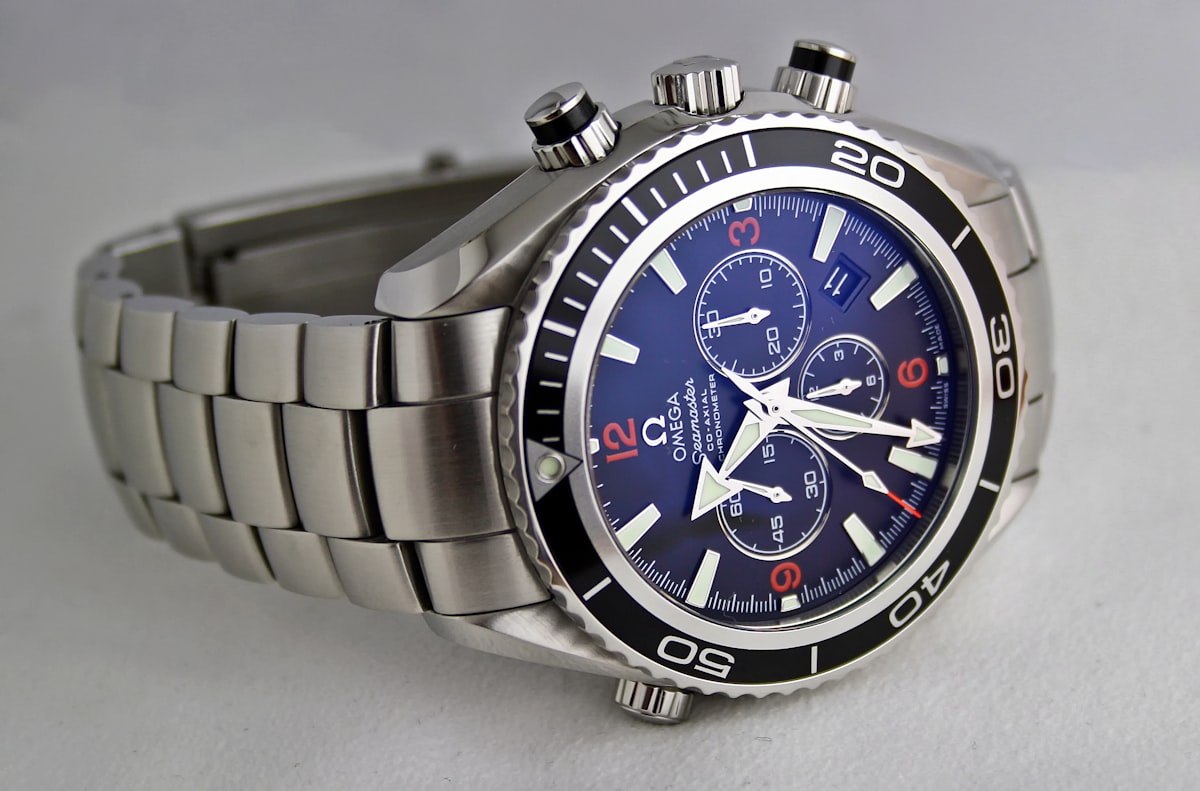
The daily winding ritual — thirty seconds that change how you relate to a watch entirely
The Real Advantages of Manual Wind
Slimmer Cases
Remove the rotor and you remove typically 1-3mm of case height. On a dress watch, where slim profiles are the entire aesthetic point, this matters enormously. The Jaeger-LeCoultre Master Ultra Thin — one of the thinnest mechanical watches ever made — runs a hand-wound movement. So does the Piaget Altiplano. So does the Patek Philippe Calatrava. These are not coincidences. If you want a watch that disappears under a shirt cuff and sits flush against the wrist, hand-wound is the path.
Purer Dial Design
Without a rotor spinning behind the dial, manual wind movements produce cleaner exhibition casebacks. The movement is fully visible, fully legible, without a large metal weight obscuring the view. For watches with skeleton dials or exhibition backs — where the movement is meant to be appreciated — hand-wound calibres are typically more visually compelling.
The Iconic Movements
Some of the most celebrated movements in watchmaking history are hand-wound. The Omega calibre 321 that went to the moon in the Speedmaster Professional. The Patek Philippe calibre 89. The Valjoux 72, which powered some of the greatest vintage chronographs ever made. Hand-wound movements dominate the historical canon of watchmaking, and many of the most important modern movements — including the Rolex calibre 4130 in the Daytona — retain hand-winding as a core part of their character.
The Case For Manual Wind
- Slimmer cases than automatics
- Cleaner exhibition casebacks
- Daily winding ritual builds connection
- Mechanically simpler — fewer parts
- Powers the most iconic movements
- Often more affordable than automatics
The Honest Downsides
- Requires daily attention
- Stops if forgotten for a day or two
- Fewer options at entry-level prices
- Crown wear over decades of winding
- Less forgiving if you rotate watches
- Seen as old-fashioned by some buyers
Who Manual Wind Is For
Manual wind watches are for people who want the deepest possible connection with their timepiece. If the idea of a daily ritual appeals — if you understand winding not as a chore but as a moment of engagement — then hand-wound is your natural destination.
They're also ideal for anyone who prioritises slim, elegant watches. If your wardrobe runs to tailored suits and dress shirts, and you want a watch that disappears beneath a cuff rather than sitting on top of it, the slim profiles that hand-wound movements allow are difficult to achieve any other way.
They are equally ideal for people who rotate between watches. The idea that stopping and resetting is a burden misses the point entirely. Picking up a watch you haven't worn in a few days, winding it, setting the time, and putting it on is a moment of reconnection — not a chore. It takes thirty seconds and it grounds you in the day ahead. A collection of manual wind watches isn't more demanding than a collection of automatics. It's just more deliberate.
A practical note on winding technique: Always wind your watch off the wrist. The angle of the crown against the wrist puts lateral stress on the winding stem, which over many years can cause wear. Take it off, hold it in your non-dominant hand, and wind with the other. Thirty seconds. Do it right.
JW's Manual Wind Picks
Hand-wound watches skew toward the upper end of the market — entry-level automatics are more common than entry-level hand-wound pieces. But there are excellent options at every realistic budget:
Hamilton Khaki Field Mechanical — Best Entry Point
Swiss made, hand-wound ETA 2801-2, 80-hour power reserve. Military field watch aesthetic with genuine soul. The correct first manual wind watch for most people — priced fairly, built honestly. See our $300-$500 guide for full details.

Omega Speedmaster Professional Moonwatch — The Icon
Calibre 1861, Hesalite crystal, manually wound as it was when it went to the moon. There is no more historically significant hand-wound watch in production. If you're going to own one manual wind watch in your life, make a strong case for this being it. Full review in our Best Omega Watches guide.

Jaeger-LeCoultre Master Ultra Thin — Best Dress Watch
Hand-wound calibre 849, extraordinary 4.05mm case height. Disappears under a cuff. The exemplar of what a slim hand-wound dress watch can be. Browse the range in our $10K-$20K guide.

Nomos Glashütte Club Campus — Best Value Dresser
German-made, hand-wound Alpha movement, Bauhaus-clean dial. Nomos makes some of the most beautiful hand-wound watches at sensible prices, and the Club Campus is their most accessible entry point. Worth every penny.
The JW Verdict
Manual wind watches are not a compromise or a throwback. They are the original form of the mechanical watch, and in many ways the purest. The slimmer cases, the cleaner movements, the iconic calibres — these are genuine advantages, not consolations.
But the real case for manual wind isn't technical. It's the thirty seconds every morning. The feel of the crown, the resistance of the spring, the moment when the watch transitions from an object in your hand to something alive on your wrist. Automation has taken a great deal from us. The winding ritual is one small, satisfying thing we haven't given up yet. Hold onto it.